



What's Happening?
Colorado Governor Jared Polis verbally declared a disaster emergency in response to severe flooding that occurred between October 22 and October 25, impacting multiple counties in Southwest Colorado. The Colorado Department of Transportation (CDOT) has
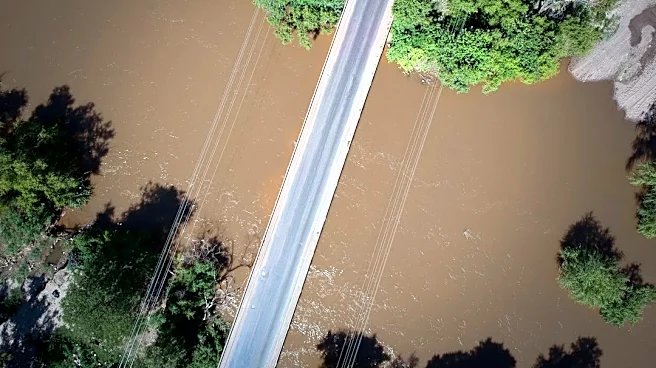
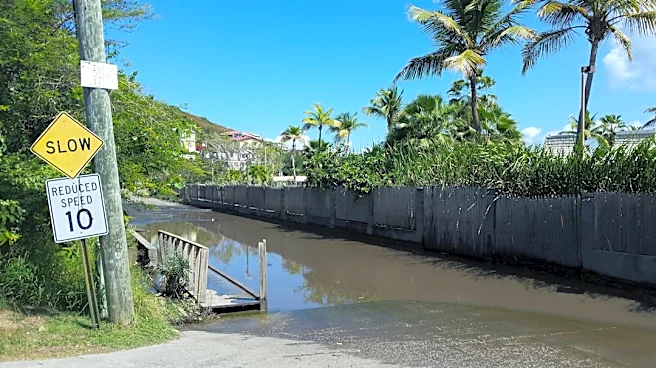
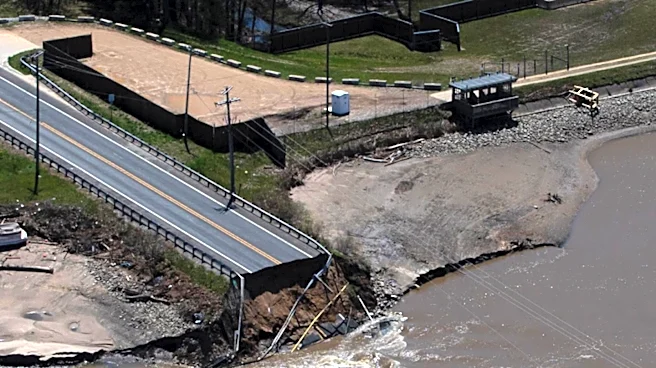
subsequently requested $65 million in federal emergency relief funds to repair significant damage to federal-aid roadways. The flooding, caused by up to seven inches of rain in areas like Pagosa Springs, led to the San Juan River reaching 15.02 feet and caused floodwaters to top four feet on some roads. Three major highways—US 160, US 550, and Colorado 151—sustained significant structural damage, including failed culverts, damaged retaining walls, and washed-out embankments. Governor Polis mobilized nearly 100 Colorado National Guard members for search and rescue operations, and the state's Transportation Commission approved $5 million in emergency funds for immediate repair efforts. CDOT is seeking an immediate release of $6.5 million, 10% of the total estimated damage, to commence urgent repairs.
Why It's Important?
The severe flooding and subsequent damage to Colorado's highway infrastructure pose a significant challenge to the state's transportation network and local economies. The affected highways, including US 160 and US 550, are critical arteries for residents, commerce, and tourism in Southwest Colorado. Their damage disrupts daily commutes, supply chains, and access to essential services, particularly as winter approaches. The request for federal aid underscores the substantial financial burden placed on the state, highlighting the need for national support in disaster recovery. The rapid mobilization of the National Guard and the state's emergency funding demonstrate a proactive approach to mitigating the immediate crisis, but the long-term repair costs could strain state resources without federal assistance. The incident also emphasizes the increasing vulnerability of infrastructure to extreme weather events, prompting broader discussions on climate resilience and infrastructure investment.
What's Next?
CDOT is working to secure the requested $65 million in federal emergency relief funds, with an immediate request for $6.5 million to begin repairs. The agency anticipates providing a more accurate damage estimate within eight to ten weeks, as high water levels have prevented full inspection of all affected structures. The goal is to complete temporary emergency repairs before winter conditions make construction more difficult, with permanent reconstruction efforts likely resuming in the spring. Travelers in the affected areas should continue to expect delays and single-lane traffic in damaged sections of highways. Governor Polis and CDOT officials will continue to coordinate with federal partners to ensure timely funding and resources for the extensive repair work. The focus remains on restoring full access to communities and ensuring the safety of Coloradans traveling through the region.
Beyond the Headlines
This event highlights the growing economic and social costs associated with extreme weather phenomena, which are becoming more frequent and intense. Beyond the immediate financial impact of infrastructure repairs, the disruption to transportation can have cascading effects on local businesses, tourism, and the overall quality of life for residents in rural Colorado. The need for federal intervention also raises questions about the adequacy of existing state and local budgets to handle large-scale natural disasters. This situation could serve as a case study for other states facing similar challenges, emphasizing the importance of robust disaster preparedness, resilient infrastructure design, and strong inter-governmental cooperation in securing necessary funding for recovery and rebuilding efforts. The long-term implications may also include a re-evaluation of infrastructure standards and investment in climate-resilient solutions.