






What's Happening?
Dr. Sophie Bostock, founder of The Sleep Scientist, emphasizes the critical role of circadian rhythms in maintaining overall health, energy, concentration, and mood. These 24-hour rhythms, which influence bodily functions from sleep-wake cycles to digestion
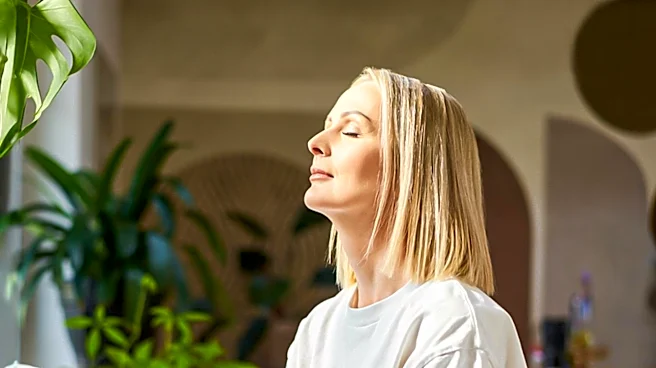
and metabolism, are primarily synchronized by light. Spending time in sunlight, especially in the morning, is a powerful signal for keeping these rhythms in sync. However, with shorter daylight hours, particularly during autumn and winter, routines can be disrupted, leading to feelings of depression, fatigue, and difficulty concentrating. Dr. Bostock highlights that strengthening daily signals like consistent wake-up times, morning light exposure, and regular meal and exercise timings can help maintain circadian rhythm synchronization, making it easier to feel alert during the day and sleepy at night. A recent study also identified a 'circadian depression' subtype, affecting about 23% of individuals with a history of depression, characterized by evening preference, morning tiredness, oversleeping, and seasonal mood changes.
Why It's Important?
The understanding of circadian rhythms is vital for public health in the U.S., particularly as seasonal changes and modern lifestyles often disrupt these natural cycles. The link between disrupted circadian rhythms and mental health issues, including depression and anxiety, suggests that promoting consistent sleep and light exposure can be a significant preventative measure. For industries, especially those with shift workers, the insights into circadian disruption's impact on mood and productivity are crucial. The recognition of 'circadian depression' could lead to more personalized and effective treatments for mental health conditions, potentially reducing the burden on healthcare systems. By emphasizing simple, actionable habits like morning light exposure and consistent routines, individuals can proactively manage their well-being, potentially mitigating the negative effects of seasonal changes and irregular schedules on their physical and mental health.
What's Next?
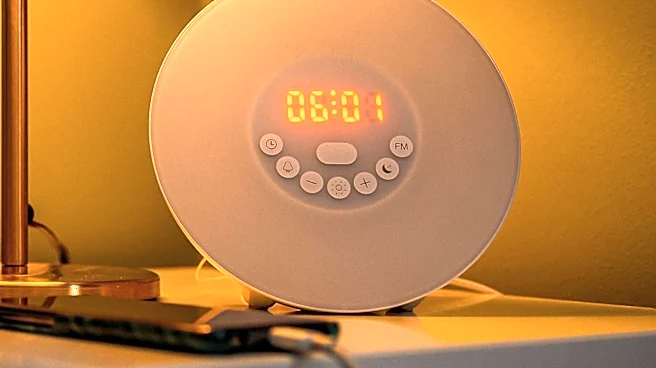
Based on Dr. Bostock's advice, individuals are encouraged to prioritize morning sunlight exposure, maintain consistent wake-up times, and create a conducive evening environment with dimmer lighting to signal winding down. Public health campaigns and wellness programs could integrate these recommendations to help people adjust to seasonal changes and improve overall health. Further research into the 'circadian depression' subtype may lead to more targeted diagnostic tools and treatment approaches. Businesses might consider implementing policies that support employees in maintaining healthier circadian rhythms, such as flexible work hours or access to natural light. The development of technologies like sunrise alarm clocks could also become more prevalent as tools to aid in regulating sleep-wake cycles. The ongoing focus on the interplay between light, sleep, and mental health will likely continue to shape health recommendations and lifestyle choices.
Beyond the Headlines
The emphasis on circadian rhythms extends beyond individual health to broader societal implications, particularly concerning the impact of artificial lighting and modern work-life balance. The constant exposure to screens and indoor environments can interfere with natural light cues, exacerbating circadian disruption. This raises questions about urban planning, office design, and the need for environments that support natural light exposure. Culturally, there may be a growing appreciation for aligning daily routines with natural cycles, moving away from a 24/7 'always-on' mentality. The ethical considerations of demanding schedules that inherently disrupt biological rhythms could also prompt discussions about work-life integration and employee well-being. Ultimately, a deeper understanding and societal adoption of circadian rhythm principles could lead to more sustainable and healthier ways of living and working, fostering a more resilient and mentally healthy population.