







What's Happening?
The Morton Arboretum in Lisle, Illinois, is preparing for the annual fall color change, with Plant Records Manager Ed Hedborn noting that trees in the Chicago area typically transition between late September and late October. However, the exact timing
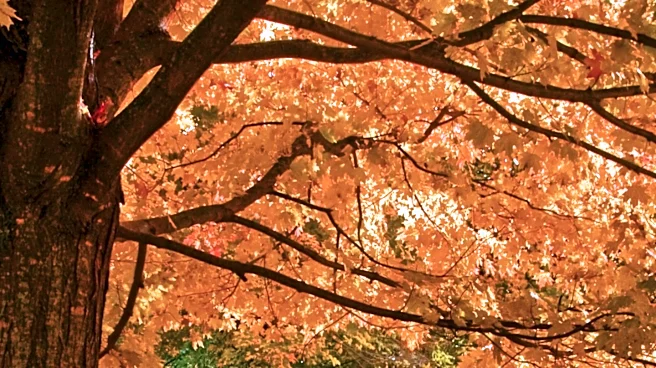
and vibrancy of the colors are heavily influenced by weather patterns, which have become more volatile due to climate change. This year, ample summer rain is expected to contribute to a good fall display, contrasting with previous years where drought conditions led to muted or early color changes. The phenomenon of fall colors is a result of deciduous trees entering dormancy, ceasing chlorophyll production, and revealing underlying yellow, brown, or red pigments like anthocyanin. The diversity of tree species and their growing conditions also play a significant role in the range and intensity of fall colors observed.
Why It's Important?
The predictability of fall foliage, a significant natural attraction and economic driver for tourism in many U.S. regions, is increasingly threatened by climate change. Unpredictable weather, including droughts, can diminish the aesthetic quality and duration of the fall color season, potentially impacting local economies reliant on leaf-peeping tourism. For homeowners and urban planners, understanding the factors influencing tree health and fall color is crucial for maintaining urban canopies and green spaces. Stressed trees, whether from drought or poor growing conditions, are more susceptible to disease and have shorter lifespans, affecting air quality, stormwater management, and urban heat island effects. The Arboretum's guidance underscores the need for proactive tree care, particularly consistent watering, to ensure the resilience and beauty of trees in a changing climate.
What's Next?
The Morton Arboretum will continue to provide weekly updates on fall color changes through its website, offering real-time information for those interested in observing the foliage. Homeowners are advised to prioritize consistent watering for newly planted trees and shrubs, even if recent rainfall seems sufficient, as leaves can block water from reaching the soil. This practice is critical for the establishment and long-term health of young plants. The Arboretum's Plant Clinic remains available for advice on tree and plant care, emphasizing the ongoing need for public education and support in maintaining healthy urban and suburban landscapes. Continued monitoring of weather patterns and their impact on tree health will be essential for future predictions and conservation efforts.
Beyond the Headlines
The shifting patterns of fall foliage serve as a visible indicator of broader ecological changes driven by climate volatility. Beyond the immediate aesthetic impact, alterations in tree dormancy cycles and health can have cascading effects on local ecosystems, including wildlife habitats and soil health. The increased stress on trees due to extreme weather events may necessitate a reevaluation of urban forestry practices, potentially leading to the selection of more drought-tolerant or climate-resilient species for planting. This situation also highlights the interconnectedness of natural phenomena and human activities, urging a greater emphasis on sustainable land management and climate mitigation strategies to preserve natural beauty and ecological balance for future generations.