
What's Happening?
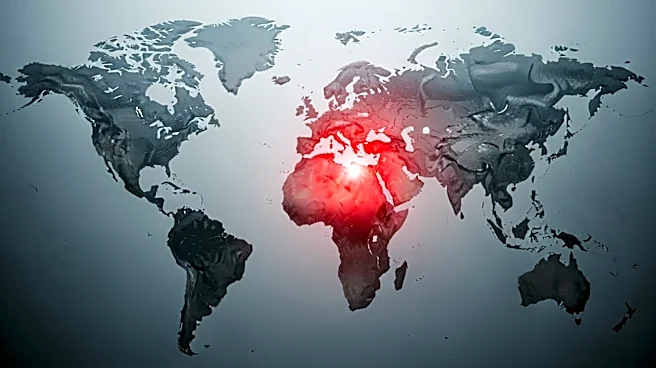
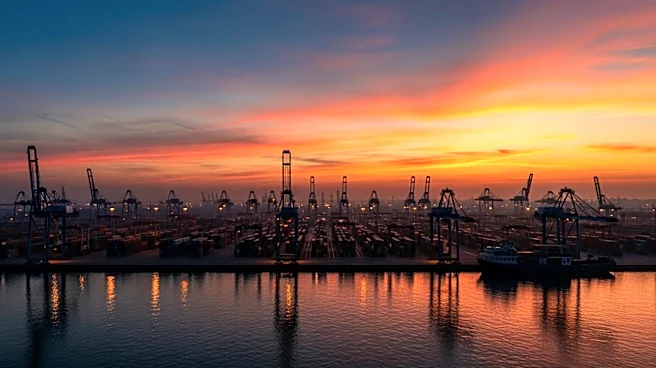
The Port of Long Beach, a major U.S. seaport, is experiencing mounting pressures due to the ongoing conflict in Iran. While the port has not seen direct impacts from the conflict, global supply chain pressures are
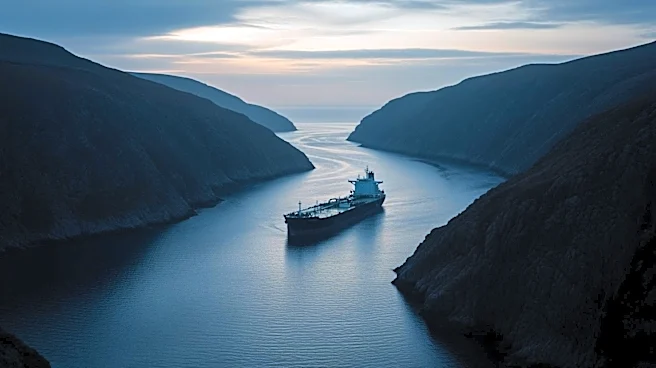
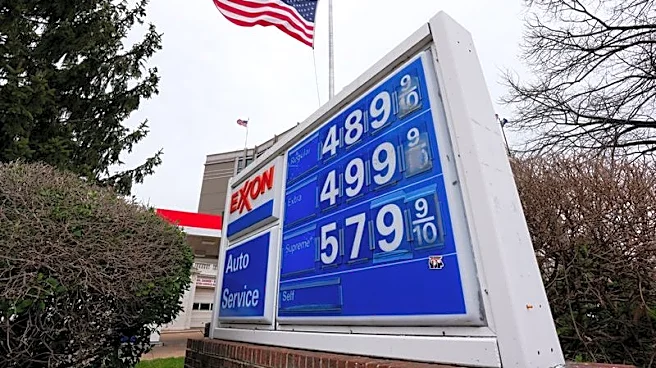
increasing. In March, the port handled 774,935 TEUs, a 5.2% decline from the previous year. Rising fuel costs, due to the constriction of traffic through the Strait of Hormuz, are expected to affect retailers and consumers. Small-to-medium-sized businesses are particularly vulnerable to these cost increases. Despite these challenges, consumer demand remains strong, with the National Retail Federation projecting a 4.4% increase in retail sales for 2026.
Why It's Important?
The Port of Long Beach is a critical hub for U.S. imports and exports, and disruptions in its operations can have widespread economic implications. Rising fuel costs and supply chain pressures can lead to increased prices for consumers, affecting purchasing power and economic stability. Small businesses, which often operate on thin margins, may struggle to absorb these costs, potentially leading to closures or reduced operations. The situation highlights the interconnectedness of global events and local economies, emphasizing the need for resilient supply chain strategies.
What's Next?
As the conflict in Iran continues, the Port of Long Beach and other major U.S. ports will need to adapt to changing conditions. The National Retail Federation and other stakeholders are monitoring the situation closely, advocating for measures to mitigate the impact on businesses and consumers. The Federal Maritime Commission's decision to reject emergency fuel surcharges is a step towards providing stability. However, ongoing geopolitical tensions may require further adjustments in supply chain management and pricing strategies.