





What's Happening?
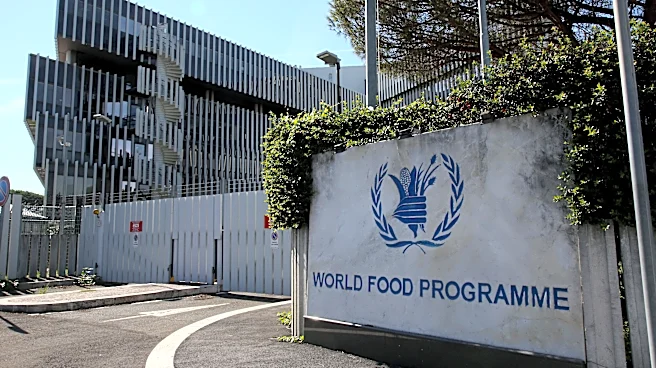
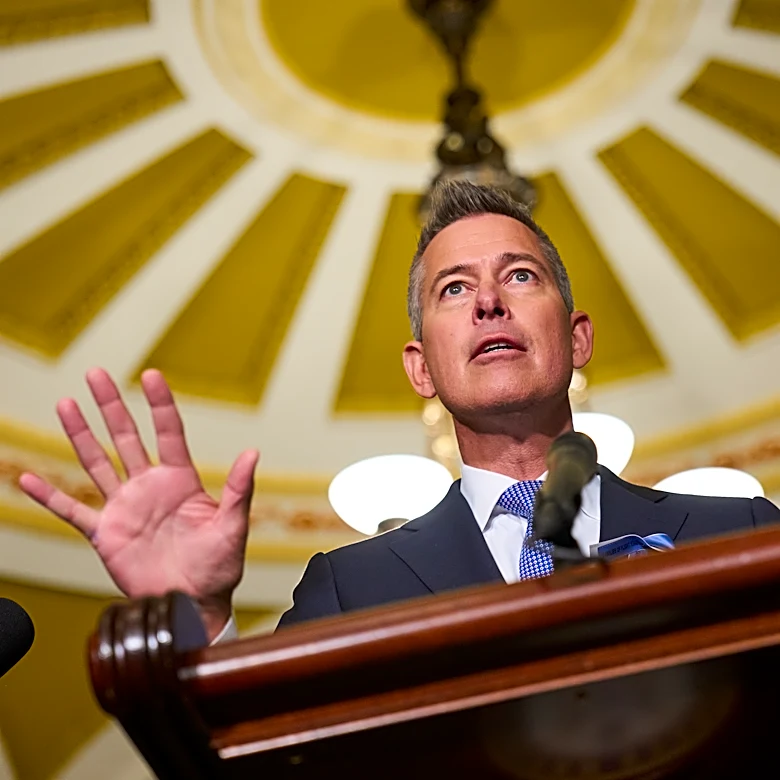
Luke J. Lindberg, a U.S. citizen and the newly appointed Executive Director of the UN World Food Programme (WFP), has begun his tenure by focusing on critical global issues. Lindberg, who previously served as Under Secretary for Trade and Foreign Agricultural
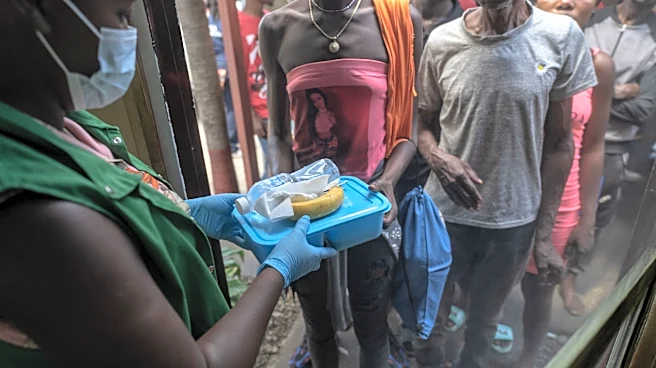
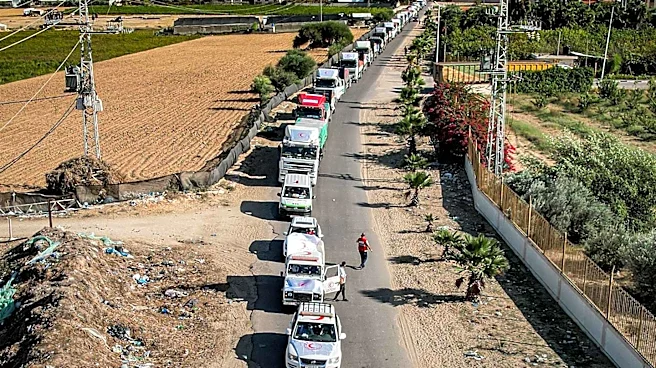
Affairs at the U.S. Department of Agriculture, assumed office on October 26, 2026, succeeding Cindy McCain. In his initial weeks, he has prioritized ending famines, safeguarding humanitarian workers and supply chains, and mobilizing resources to address the record levels of acute hunger affecting an estimated 266 million people worldwide. His appointment comes as the African Risk Capacity (ARC) Group and WFP deepen their partnership on climate risk financing for resilient food systems, particularly as Zimbabwe and the broader African region prepare for a potentially severe El Niño season. This collaboration aims to link early-warning systems and pre-arranged financing to enable quicker responses to predictable climate shocks.
Why It's Important?
Lindberg's leadership at the WFP is significant for U.S. foreign policy and humanitarian efforts, as it places an American at the helm of a crucial international organization combating global food insecurity. His emphasis on protecting humanitarian workers and supply chains directly impacts the effectiveness and safety of aid delivery, which is often supported by U.S. funding and resources. The WFP's deepened partnership with the ARC Group, particularly in regions like Zimbabwe facing climate-induced food crises, highlights a proactive approach to disaster management. This strategy, which involves anticipatory action and climate risk financing, aims to reduce the need for costly post-disaster interventions, potentially optimizing the impact of international aid, including contributions from the U.S. The focus on resilient food systems aligns with broader U.S. development goals to foster stability and reduce humanitarian emergencies globally.
What's Next?
Under Lindberg's direction, the WFP is expected to continue its focus on innovative financing mechanisms and partnerships to build resilient food systems, especially in vulnerable regions. The organization will likely further integrate early-warning systems with pre-arranged financing to enable more rapid and effective responses to climate shocks. This approach will be crucial as regions like Zimbabwe brace for the anticipated El Niño-induced drought in the 2026/27 season. The WFP will also continue its efforts to mobilize resources to address the escalating global hunger crisis, which affects hundreds of millions. Lindberg's leadership will likely shape the WFP's strategic direction, influencing how international aid is delivered and how partnerships are forged to combat famine and protect humanitarian operations worldwide.
Beyond the Headlines
The appointment of a U.S. citizen to lead the WFP underscores the U.S.'s continued influence and commitment to global humanitarian issues. Lindberg's background in agricultural affairs at the U.S. Department of Agriculture suggests a potential emphasis on sustainable agricultural practices and food security initiatives that could align with U.S. expertise and policy. The WFP's shift towards anticipatory action and climate risk financing represents a broader evolution in humanitarian aid, moving from reactive emergency response to proactive prevention. This strategic change could set a precedent for other international organizations and donor countries, including the U.S., to adopt more efficient and impactful approaches to global crises. The ethical implications of protecting humanitarian workers and ensuring supply chain integrity are paramount, reflecting a commitment to the safety of those on the front lines of aid delivery and the populations they serve.