

What's Happening?
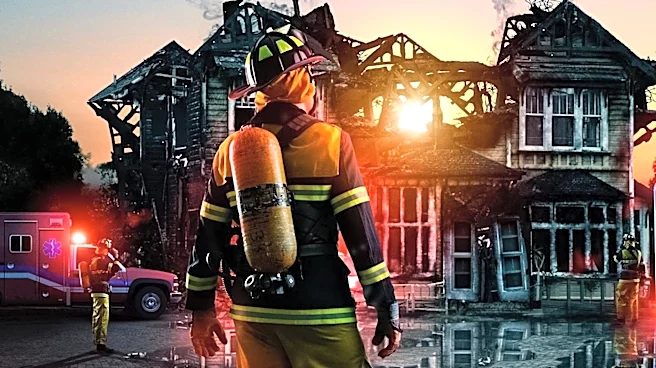
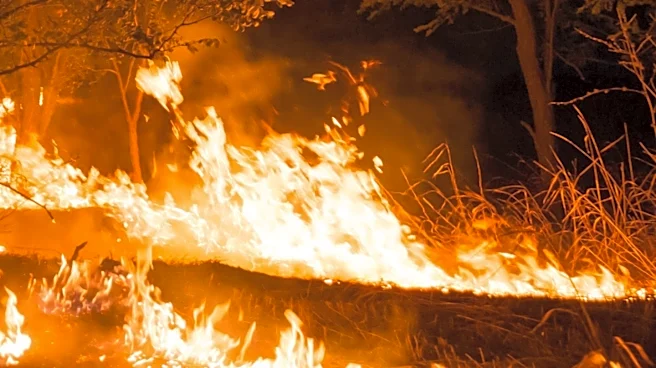
Three months after a devastating fire in Omiš, Croatia, that claimed six lives, residents are still seeking answers regarding accountability, the functionality of the warning system, and reconstruction aid. The fire, which occurred on the night of August
13-14, forced many residents to flee their homes and escape into the sea. Survivors recounted harrowing experiences of clogged roads, intense heat, and thick smoke. Goran Lović from Lokva Rogoznica described returning to find his home engulfed, while Dubravka Marunčić from Stanići fled with her children as flames reached their house. Gabrijela Baučić from Borak experienced traffic standstill while trying to escape by car, with her child fearing they would burn. Julija Hrstić attempted to protect her house with water but eventually had to evacuate. Many residents, including Marunčić, ended up in the sea, struggling to breathe amidst smoke and embers, before being rescued by boats. Mario Popovac from Omiš was among the citizens who spontaneously used their boats to rescue people, navigating through extremely poor visibility and intense heat. The evacuation efforts continued until approximately 4:30 AM.
Why It's Important?
The ongoing lack of answers and perceived inaction by authorities in Omiš highlights critical issues in disaster preparedness and response. The residents' claims of a non-functional warning system, specifically the SRUUK early warning system, raise serious questions about public safety protocols and emergency communication during crises. The tragedy underscores the importance of effective evacuation plans and infrastructure, as clogged roads exacerbated the danger for those trying to escape. Furthermore, the residents' concerns about neglected firebreaks and insufficient hydrants point to potential systemic failures in fire prevention and resource allocation. The post-fire threats of landslides due to destroyed vegetation also emphasize the need for comprehensive disaster recovery and environmental remediation strategies. The community's feeling of being forgotten and their demand for concrete help reflect a broader societal expectation for transparency, accountability, and timely support from governing bodies in the aftermath of such devastating events.
What's Next?
Residents of Omiš are continuing to demand information regarding the investigation into the fire's causes and accountability for the failures in the warning system and response. They expect authorities to provide explanations for the loss of life and property. There is an urgent call for coastal remediation and state aid to address the damage and prevent further hazards like landslides, as local communities reportedly lack sufficient funds. The discrepancy between residents' estimates of total damage and the government's figures suggests a potential for ongoing disputes over compensation and reconstruction efforts. The community's desire for action to prevent similar tragedies in the future indicates that pressure on local and national authorities will likely persist until concrete measures are implemented and communicated. Future developments will likely involve further inquiries into the emergency response protocols, potential legal actions by affected residents, and ongoing efforts to secure funding and resources for recovery and prevention.
Beyond the Headlines
The Omiš fire tragedy extends beyond immediate physical damage and loss of life, revealing deeper societal and governmental challenges. The residents' profound emotional distress, as expressed by Julija Hrstić, underscores the long-term psychological impact of such disasters on communities. The spontaneous rescue efforts by citizens like Mario Popovac highlight the critical role of community resilience and mutual aid when official systems falter. This event could trigger broader discussions in Croatia about the adequacy of national disaster preparedness frameworks, the allocation of resources for fire prevention in vulnerable areas, and the transparency of post-disaster investigations. It also brings to light the ethical responsibility of authorities to provide timely and accurate information to affected populations and to ensure that warning systems are not just in place but are also effective and regularly tested. The ongoing struggle for answers and aid could foster a stronger sense of civic engagement and demands for governmental reform in disaster management.