
What's Happening?
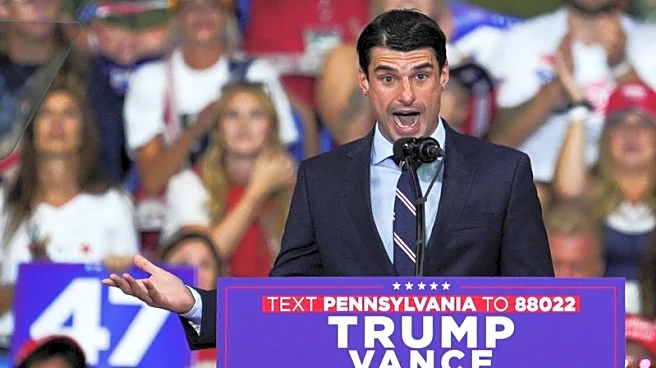
The US Treasury is encouraging states to adopt President Trump's tax cuts, which include deductions for tips, overtime wages, and business expenses. While some states automatically apply federal tax changes,
others require legislative approval. The tax cuts could provide significant savings for residents and businesses but may also strain state budgets due to increased costs from new Medicaid and SNAP requirements. So far, only a few states have embraced the tax cuts, with others approaching the changes cautiously.
Why It's Important?
The push for states to adopt Trump's tax cuts is significant as it could impact state economies and budgets. The tax cuts aim to provide financial relief to individuals and businesses, potentially boosting economic activity. However, the financial strain on state budgets could lead to difficult decisions regarding funding for essential services. The mixed reactions from states highlight the complexities of implementing federal tax policies at the state level, with potential political and economic implications.
What's Next?
As state legislatures convene in January, debates over the adoption of Trump's tax cuts are expected to intensify. States will need to weigh the potential benefits of the tax cuts against the financial challenges they may pose. The decisions made by state lawmakers could influence future federal-state relations and set precedents for how tax policies are implemented across the country. The outcomes will be closely monitored by policymakers, economists, and the public.