

What's Happening?
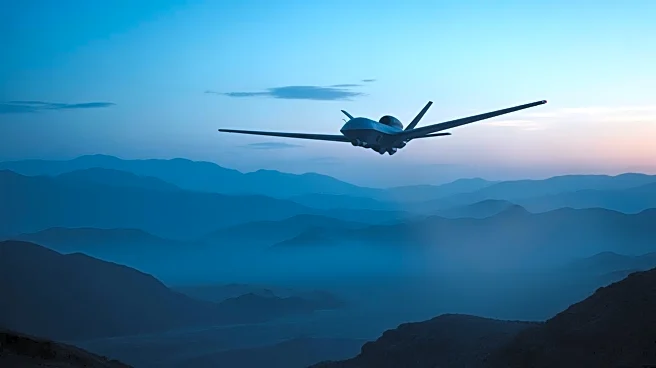
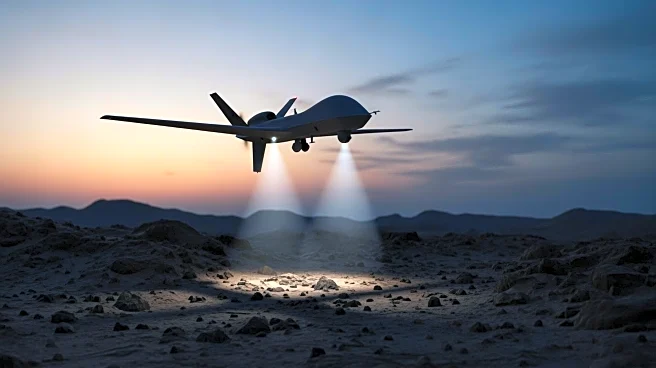
The U.S. military has reported a series of airstrikes targeting Islamic State (IS) group positions in Syria. These operations are a response to a December ambush that resulted in the deaths of two U.S. soldiers and an American civilian interpreter. According
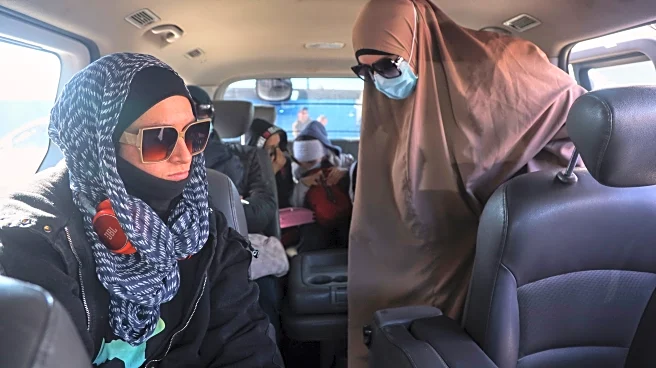
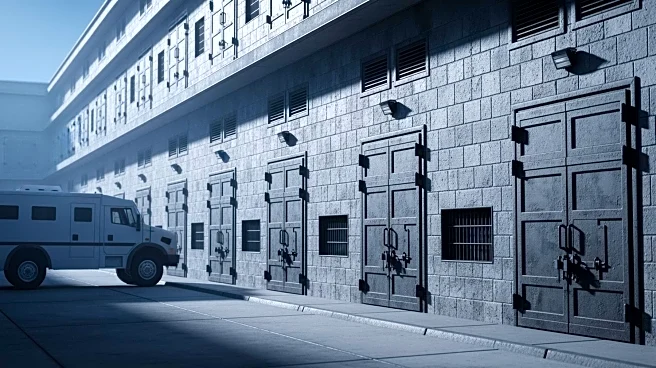
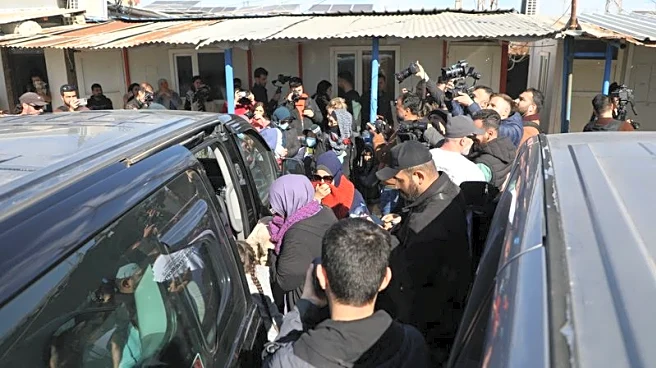
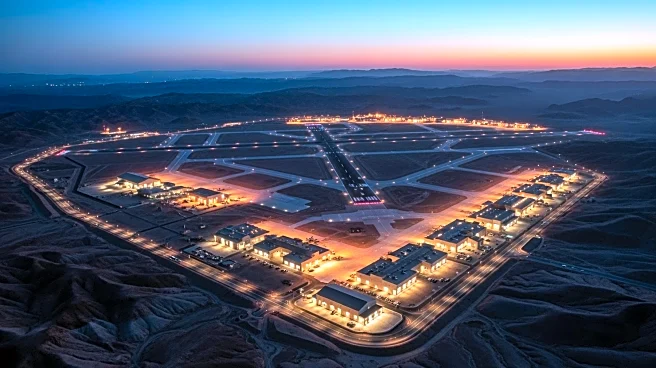
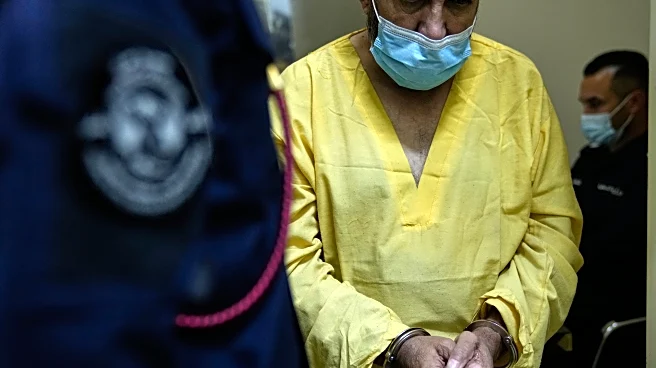
to U.S. Central Command, American aircraft executed 10 strikes against over 30 IS targets, including weapons storage facilities and other infrastructure, between February 3 and the following Thursday. The strikes have led to the death or capture of at least 50 IS members, with more than 100 targets hit since the operations began. Additionally, the Syrian Defense Ministry announced that government forces have taken control of the Al-Tanf base, previously operated by U.S. troops. This base was significant in the fight against IS after the group declared a caliphate in 2014. Furthermore, the U.S. military has completed the transfer of thousands of IS detainees from Syria to Iraq, where they are expected to face trial.
Why It's Important?
These military actions underscore the ongoing U.S. commitment to combating the Islamic State in the region. The airstrikes serve as a direct response to the December attack, highlighting the U.S. military's strategy of retaliatory strikes to deter future aggression. The transfer of IS detainees to Iraq is a significant development, as it shifts the responsibility of prosecution to Iraqi authorities, potentially easing the burden on U.S. forces in Syria. This move is also indicative of the broader coalition efforts to stabilize the region by ensuring that IS members are held accountable for their actions. The recapture of the Al-Tanf base by Syrian forces marks a shift in control that could impact future military and political dynamics in the region.
What's Next?
The U.S. military is likely to continue its operations against IS targets in Syria as part of its broader strategy to dismantle the group's remaining infrastructure. The transfer of detainees to Iraq may lead to trials that could set precedents for handling captured IS fighters. The change in control of the Al-Tanf base may prompt further strategic adjustments by both U.S. and Syrian forces. Observers will be watching for any retaliatory actions by IS and how the Syrian government consolidates its control over former U.S. positions.