




What's Happening?
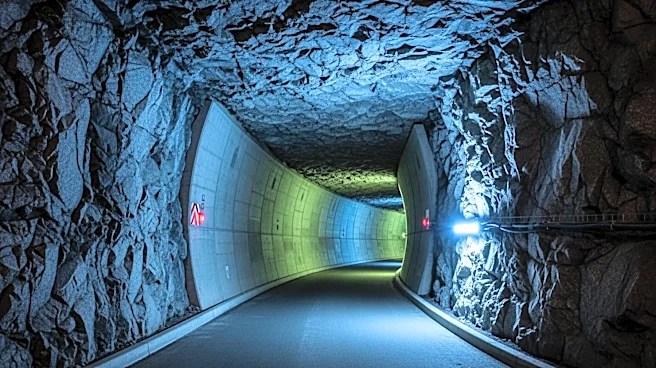
Finland is on the verge of opening the world's first permanent nuclear waste disposal facility, Onkalo, located on the island of Olkiluoto. The facility, which began construction in 2004, is designed to store spent nuclear fuel deep underground in a stable
bedrock environment. The project, costing approximately 1 billion euros, aims to safely contain radioactive waste for hundreds of thousands of years. The facility will use copper canisters and bentonite clay to encase the waste, minimizing the risk of environmental contamination. The initiative reflects Finland's commitment to managing its nuclear waste domestically, as mandated by a 1994 act.
Why It's Important?
The development of Onkalo represents a significant advancement in nuclear waste management, addressing a long-standing global challenge. By providing a permanent solution, Finland sets a precedent for other countries grappling with nuclear waste storage. The facility's success could influence international policies and encourage similar projects worldwide, potentially reducing the environmental risks associated with temporary storage solutions. Additionally, the project underscores the importance of sustainable nuclear energy practices, balancing energy needs with environmental protection.
What's Next?
The Onkalo facility is expected to receive its operational license soon, with plans to begin storing waste imminently. As the first of its kind, the facility will be closely monitored by international observers and could serve as a model for future projects. The success of Onkalo may prompt other countries to accelerate their own nuclear waste management strategies, potentially leading to increased collaboration and innovation in the field.
Beyond the Headlines
The ethical and cultural implications of nuclear waste storage are profound, as the facility must remain secure for millennia. This challenge has led to the development of nuclear semiotics, a field dedicated to creating warning signs that can be understood by future generations. The project also highlights the need for international cooperation in addressing nuclear waste, as Finland may eventually consider accepting waste from other countries under strict regulations.