






What's Happening?
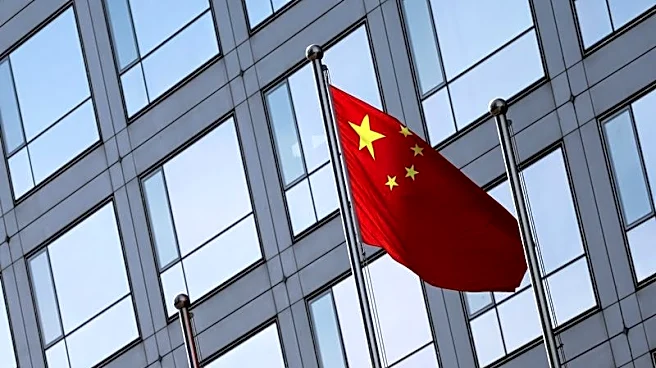
Peter Churchouse, Managing Director at Portwood Capital, has indicated that China's property market downturn is showing signs of stabilization due to policy support, which is slowing the pace of price declines. However, Churchouse warns that the market has not
yet reached its bottom. Long-term structural issues such as weaker demographics, slower urbanization, and affordability challenges are expected to limit the sector's return to previous growth levels. This analysis comes amid ongoing concerns about the health of China's real estate market, which has significant implications for global economic stability.
Why It's Important?
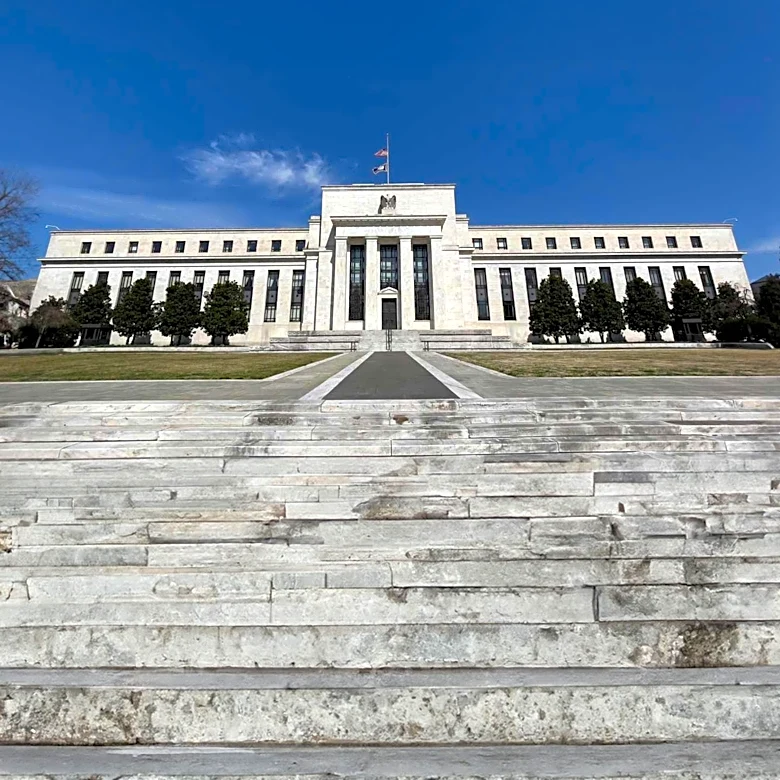
The state of China's property market is crucial not only for the country's economy but also for global markets, including the U.S. A prolonged downturn could affect international trade and investment flows, impacting U.S. businesses with exposure to China. Additionally, the stabilization efforts by Chinese authorities may influence global economic policies and investor confidence. The U.S. real estate and financial sectors could experience indirect effects, as changes in China's market dynamics might alter global capital allocation and risk assessments.
What's Next?
Observers will be closely watching for further policy measures from the Chinese government aimed at stabilizing the property market. Any significant policy shifts could have ripple effects on global markets. Investors and analysts will also monitor demographic trends and urbanization rates in China, as these factors will play a critical role in shaping the future of the property sector. The U.S. may need to adjust its economic strategies in response to developments in China, particularly if the property market downturn persists.