
What's Happening?
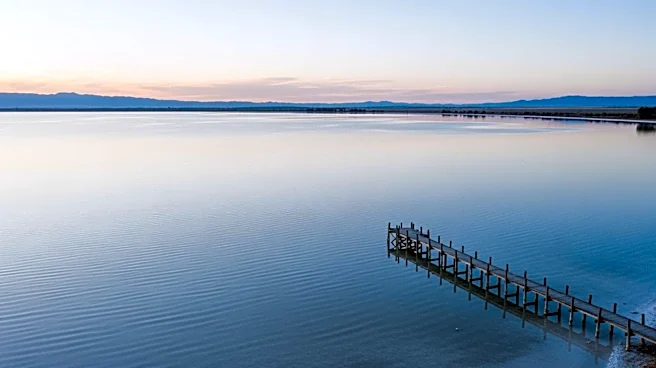
The Great Salt Lake in Utah, the largest saline lake in the United States, is experiencing significant ecological challenges due to decreasing water levels and increased salinity. Over the past two decades,
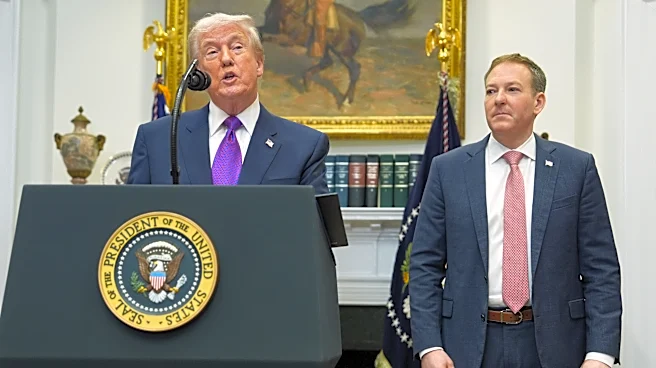
water levels have dropped primarily because of reduced inflows, drought, and rising temperatures, which have led to greater evaporation. This situation has prompted both state and federal efforts to restore the lake. Utah has established the Office of the Great Salt Lake Commissioner and released a strategic plan to balance ecological, economic, and societal interests. The state has also implemented regulations to maintain water flows and conserve water. On the federal level, the U.S. Bureau of Reclamation has allocated $50 million to support water conservation and ecosystem restoration. The Trump Administration has requested $1 billion for a comprehensive federal restoration program. These efforts aim to address the economic, environmental, and health impacts of the lake's declining water levels.
Why It's Important?
The restoration of the Great Salt Lake is crucial due to its significant economic and ecological roles. The lake supports a variety of industries, including tourism, recreation, and mineral extraction, contributing approximately $1.9 billion to $2.5 billion annually to Utah's economy. It also provides critical wetland habitats for migratory birds and other wildlife. The declining water levels and increased salinity threaten these economic activities and ecological functions. Additionally, exposed lakebeds can release toxic sediments into the air, posing health risks to nearby communities. The collaborative efforts between state and federal entities highlight the importance of addressing these challenges to preserve the lake's ecological balance and economic contributions.
What's Next?
Future steps involve continued collaboration between Utah and federal agencies to implement restoration initiatives. The state plans to enhance water conservation measures and explore new technologies for water management. Federal support, including potential legislative actions, will be crucial in providing the necessary resources and coordination for these efforts. Monitoring and research will play a key role in informing restoration strategies and ensuring the long-term health of the lake. Stakeholders, including local communities and industries, are expected to engage in these efforts to balance ecological preservation with economic interests.