




What's Happening?
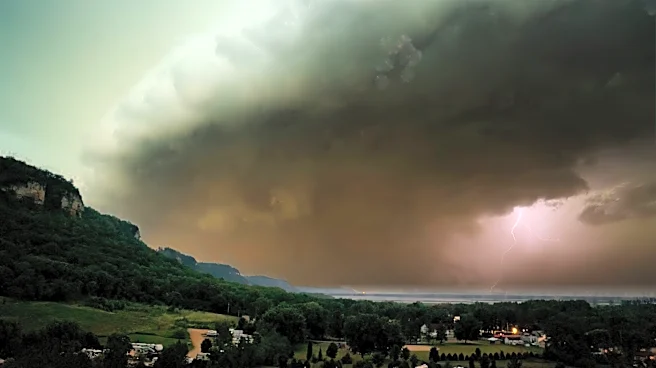
A tornado struck Wisconsin, causing significant damage and power outages, particularly in Menasha. The National Weather Service confirmed the tornado in Winnebago County, approximately 90 miles northwest of Milwaukee. The tornado moved over Lake Winnebago and headed
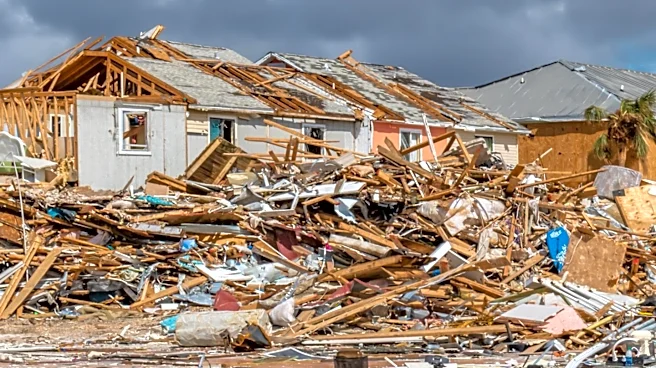
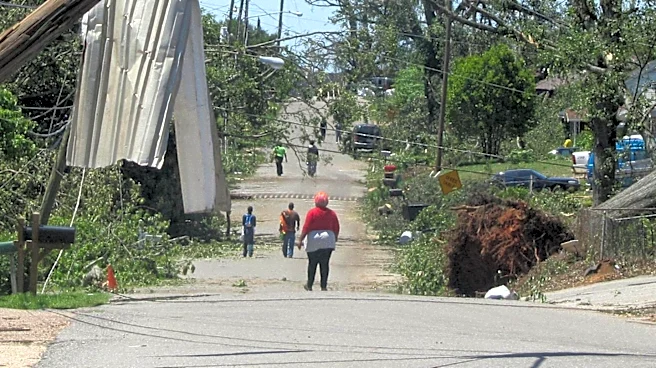
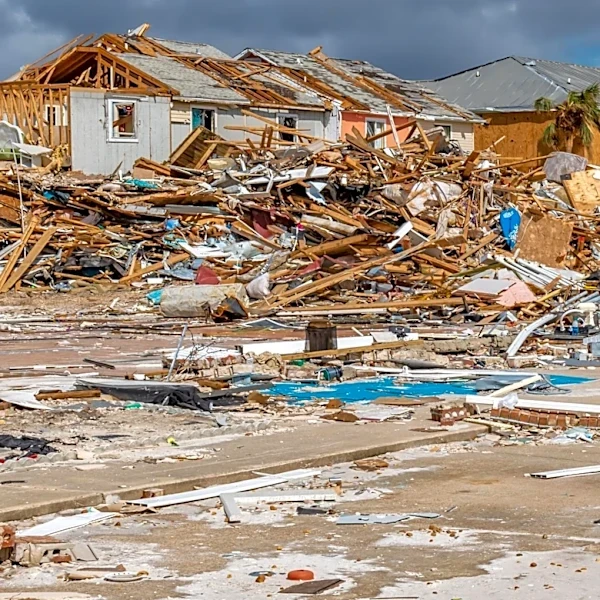
south toward Fond du Lac County. In Menasha, a downed transmission line left the entire city of about 18,000 residents without power. The storm also caused extensive damage in Appleton, with homes losing roofs and siding, cars overturned, and streets blocked by fallen tree limbs. Governor Tony Evers issued a statement acknowledging the situation and expressing readiness to assist affected communities. Emergency services, including the Menasha police department and Neenah-Menasha Fire Rescue, are actively responding to the damage. An emergency shelter has been set up at Christ the Rock Community Center in Menasha.
Why It's Important?
The tornado's impact on Menasha highlights the vulnerability of infrastructure to severe weather events, emphasizing the need for robust emergency preparedness and response systems. The power outage affects not only residential areas but also critical services and businesses, potentially leading to economic disruptions. The swift response by emergency services and the establishment of shelters demonstrate the importance of community resilience and support systems in times of crisis. This event underscores the broader implications of climate-related disasters on public safety and infrastructure stability, prompting discussions on improving weather forecasting and disaster management strategies.
What's Next?
As recovery efforts continue, utility crews will work to restore power to the affected areas, prioritizing critical infrastructure and residential needs. The state government and local authorities may conduct assessments to evaluate the damage and determine necessary repairs and improvements to prevent future disruptions. Community support initiatives, such as providing temporary housing and resources for those displaced, will be crucial in the coming days. Additionally, discussions on enhancing infrastructure resilience and emergency response capabilities are likely to gain momentum, potentially influencing future policy decisions.