






What's Happening?
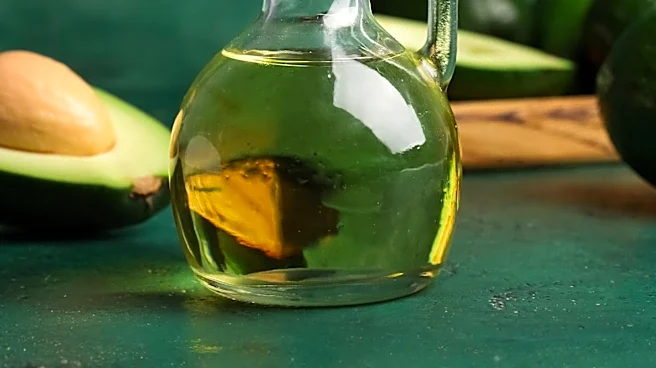
A recent study led by Selina Wang, a professor of food science at the University of California, Davis, has uncovered significant authenticity issues in avocado oil products. The research, published in the journal Applied Food Research, analyzed 54 products claiming
to contain only avocado oil. The findings revealed that 89% of these products were adulterated with cheaper oils like soybean oil. One sample contained almost no avocado oil at all. This study highlights a major problem in the avocado oil industry, as consumers are often paying a premium for what they believe to be a healthier oil. The study also compared these findings with olive oil products, where only one out of 20 showed signs of adulteration. The issue is not new, as previous studies by Wang in 2020 and 2023 also found similar problems with commercially bottled avocado oils.
Why It's Important?
The study's findings are significant as they challenge the perceived health benefits and authenticity of avocado oil products, which are often marketed as healthier alternatives to seed oils. The adulteration of avocado oil not only misleads consumers but also raises questions about industry practices and regulatory oversight. The economic implications are considerable, as consumers are paying higher prices for products that do not meet their expectations. This situation also affects legitimate producers who face unfair competition from those adulterating their products. The study calls for increased regulatory action to ensure product authenticity and protect consumer interests. The Avocado Oil Manufacturers Association has acknowledged these challenges and is working towards establishing industry standards to restore consumer confidence.
What's Next?
The study's findings may prompt regulatory bodies to take action against the adulteration of avocado oil products. The Avocado Oil Manufacturers Association is already working on creating shared standards to address these authenticity issues. This could lead to more stringent testing and certification processes for avocado oil products, similar to those implemented in the olive oil industry. As awareness of the issue grows, consumers may become more cautious and demand greater transparency from manufacturers. This could also encourage producers to improve their sourcing and production practices to ensure product integrity.
Beyond the Headlines
The issue of adulteration in avocado oil products highlights broader concerns about food authenticity and consumer trust. It raises ethical questions about the responsibility of manufacturers to provide genuine products and the role of regulatory bodies in enforcing standards. The situation also underscores the challenges faced by emerging industries in maintaining quality and consumer confidence. As the demand for healthier food options continues to grow, ensuring the authenticity of such products becomes increasingly important. This case may serve as a catalyst for broader discussions on food labeling and the need for more robust regulatory frameworks.