






What's Happening?
The Ondo State Government is intensifying efforts to enhance power supply, boost agricultural production, and attract industrial investments. This initiative is part of the 'Our EASE' agenda, focusing on ease of living, ease of doing business, and ease of governance,
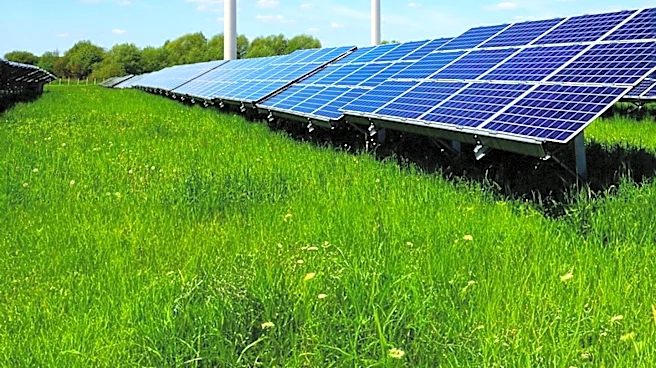
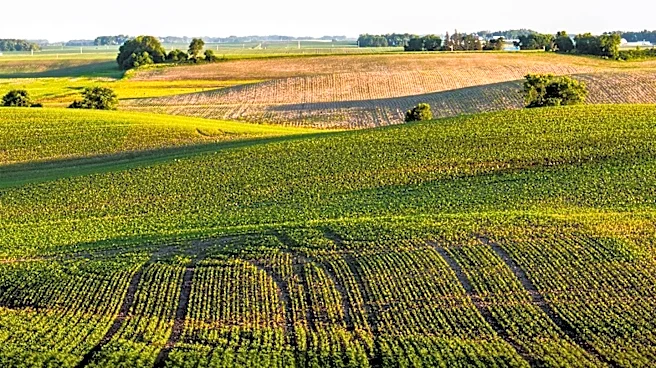
as stated by Prince Ebenezer Adeniyan, Chief Press Secretary to Governor Lucky Aiyedatiwa. In the power sector, the state has approved a $1.6 million 350-kilowatt hydropower project and a 7.5-megawatt gas-fired turbine project to power government facilities. Additionally, the 'Light-Up the Lucky Light' solar program and the O’Datiwa Mass Metering Programme are being implemented to improve electricity supply and reduce energy costs for residents and businesses. For agriculture, over N10 billion has been committed to food security, investment, and value-chain development, including opening farmlands for private investment and constructing rural roads. More than 500 youths have been trained in modern agricultural practices, and the Ondo State Cocoa Revolution and Management Board has been inaugurated to strengthen cocoa production. The state is also pursuing major investments in industrialization, including the Ondo Deep Sea Port, a refinery, a Free Trade Zone, and a fertilizer plant, with significant investment agreements already signed.
Why It's Important?
These initiatives are crucial for Ondo State's economic development and the well-being of its residents. Improved power supply is fundamental for both households and businesses, reducing operational costs and fostering a more conducive environment for economic activity. The focus on agriculture, particularly through investment and value-chain development, aims to enhance food security, create employment opportunities, and strengthen the state's position in key agricultural commodities like cocoa. The industrialization drive, including projects like the deep sea port and refinery, is designed to transform Ondo State into a major industrial hub, attracting foreign direct investment, diversifying the state's revenue base, and creating numerous jobs. These efforts collectively aim to improve the standard of living, stimulate economic growth, and position Ondo State as a competitive investment destination, addressing long-standing challenges and building a foundation for sustainable development.
What's Next?
The Ondo State Government plans to continue implementing its 'Our EASE' agenda, with ongoing efforts to address power challenges through alternative energy and infrastructure development. The agricultural sector will see further investment in opening farmlands, constructing rural roads, and supporting farmers, with continued profiling of smallholder farmers under programs like FAO GEF-7. In industrialization, the state will pursue the realization of major investment agreements, including the $50 billion investment involving Backbone Infrastructure Nigeria Limited and Sunshine Infrastructure JV, and the $4 billion petrochemical, fertilizer, and cement project. The government anticipates these projects will lead to job creation, increased local production, and a diversified revenue base. The administration's focus remains on delivering tangible benefits to residents and laying a foundation for sustainable economic development across all sectors.
Beyond the Headlines
The comprehensive approach taken by the Ondo State Government highlights a strategic shift towards integrated development, recognizing the interconnectedness of power, agriculture, and industrialization. By focusing on these three pillars, the state aims to create a synergistic effect where improvements in one sector positively impact the others. For instance, reliable power supply is essential for industrial growth and agricultural processing, while a robust agricultural sector can provide raw materials for industries. The emphasis on attracting private investment and signing memoranda of understanding indicates a move towards public-private partnerships as a key driver of development. This strategy also implicitly addresses issues of youth unemployment by training individuals in modern agricultural practices and creating jobs through industrial expansion. The long-term implications include a more resilient and diversified economy, reduced reliance on traditional revenue sources, and enhanced regional competitiveness, potentially setting a precedent for other states in Nigeria.