

What's Happening?
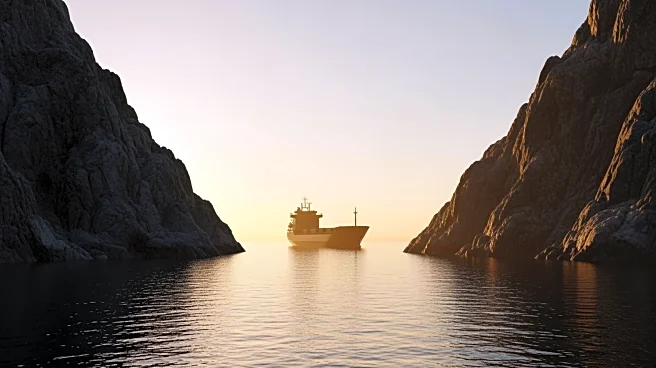
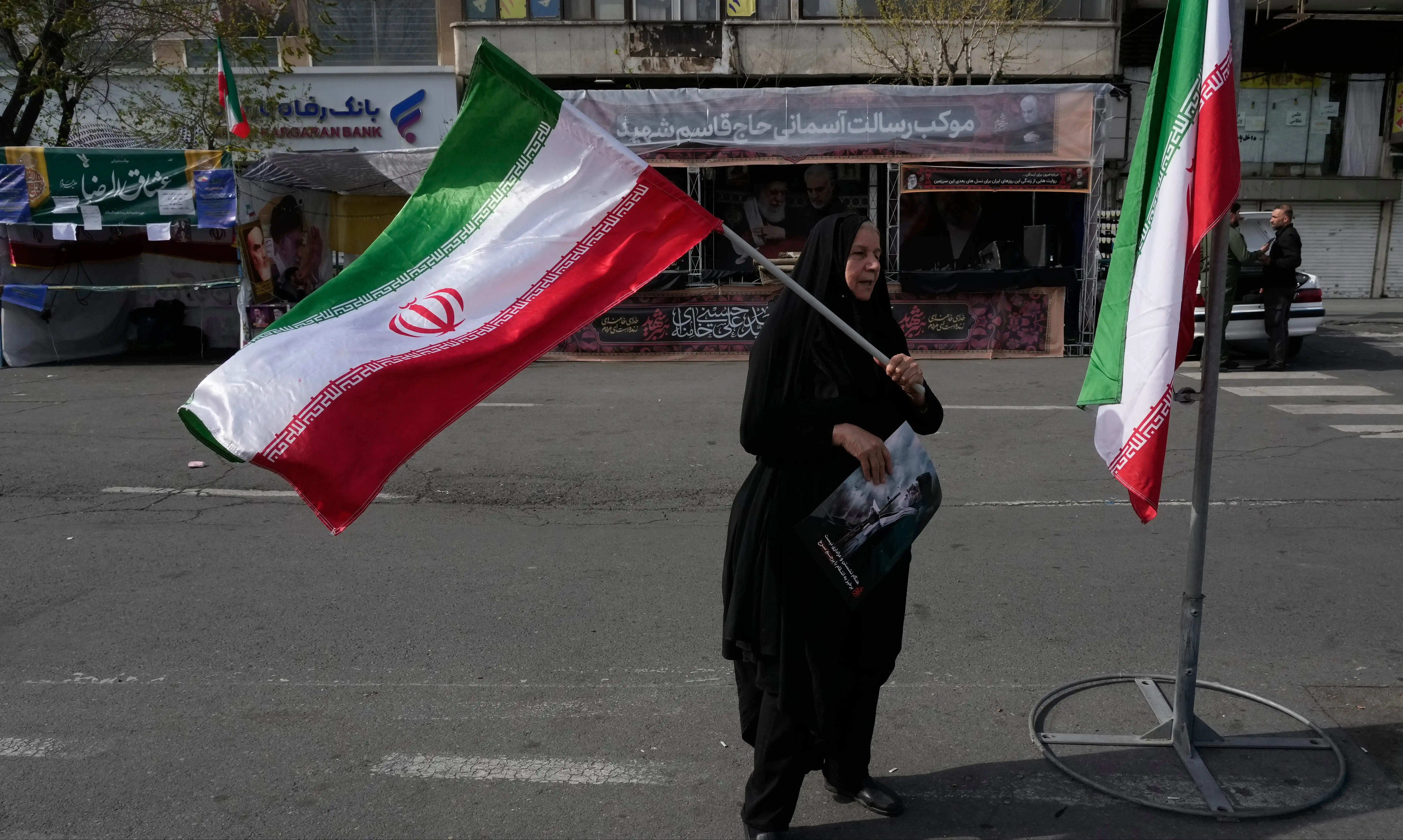
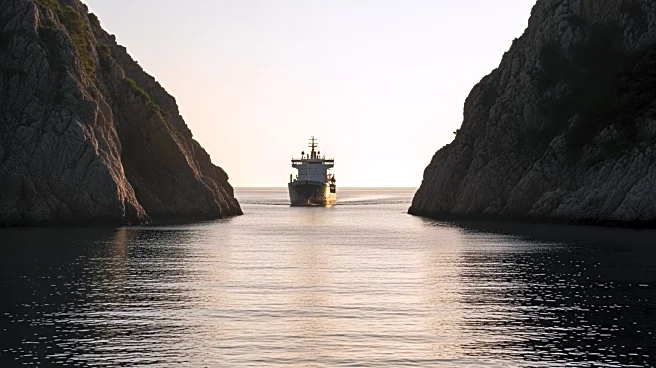
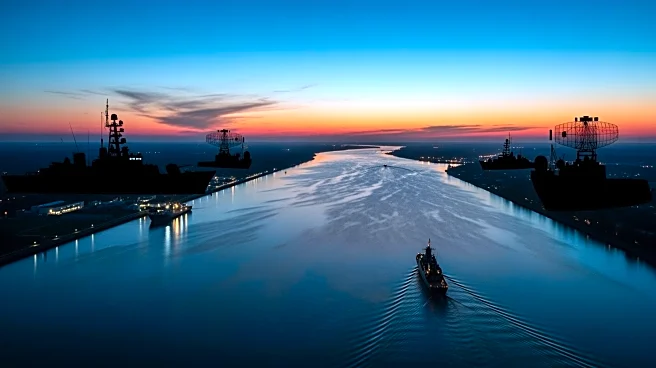
Iran has agreed to allow Japanese-related vessels to pass through the Strait of Hormuz, a critical route for global oil supplies, amid ongoing tensions related to the US-Israeli conflict with Iran. This decision comes as Japan, which relies heavily on oil shipments
through the strait, faces challenges due to the strait's partial closure by Iran. The move follows discussions between Iranian officials and Japan, as well as pressure from US President Donald Trump for Japan to take a more active role in ensuring the strait's security.
Why It's Important?
The reopening of the Strait of Hormuz for Japanese vessels is significant for global oil markets, as it could help stabilize oil prices that have spiked due to the conflict. Japan's economy, heavily dependent on oil imports, stands to benefit from this development. The situation also highlights the geopolitical complexities of the region and the strategic importance of the strait. The involvement of major powers like the US and Japan underscores the global implications of regional conflicts and the interconnectedness of energy security and international diplomacy.
What's Next?
Japan and other countries will continue to monitor the situation closely, as the security of the Strait of Hormuz remains a critical concern. Diplomatic efforts may intensify to ensure the strait remains open and secure for international shipping. The US and its allies may explore additional measures to support the stability of the region. Japan's response, constrained by its pacifist constitution, will be watched for any shifts in policy or military involvement. The international community will likely continue to engage with Iran to prevent further escalation.