





What's Happening?
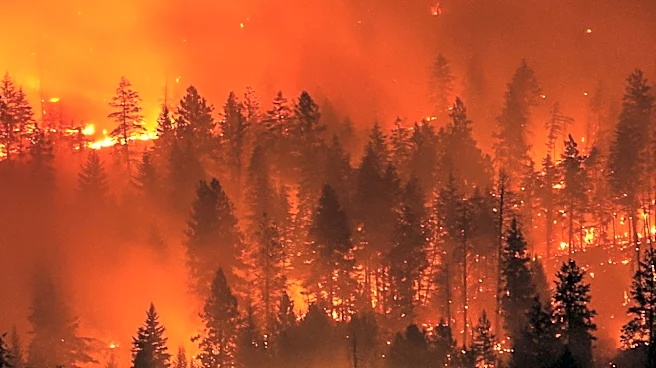
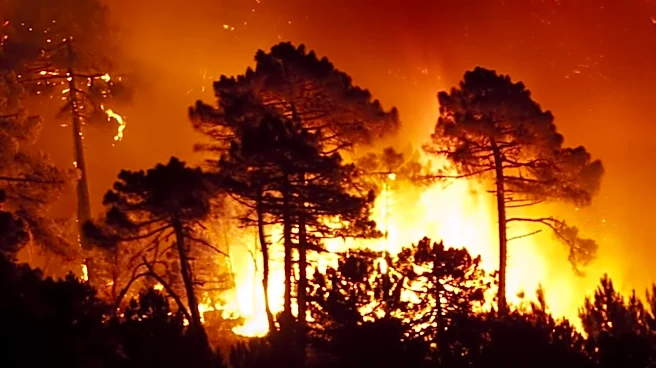
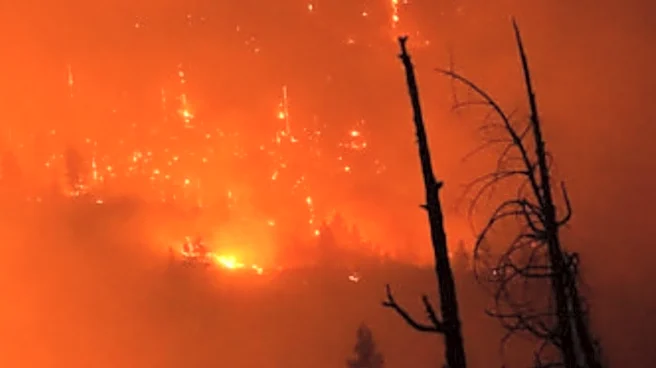
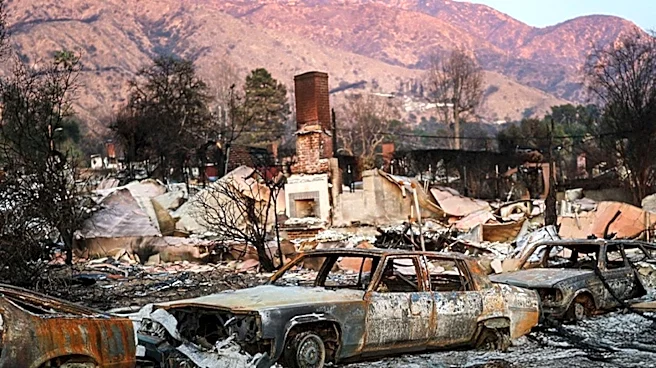
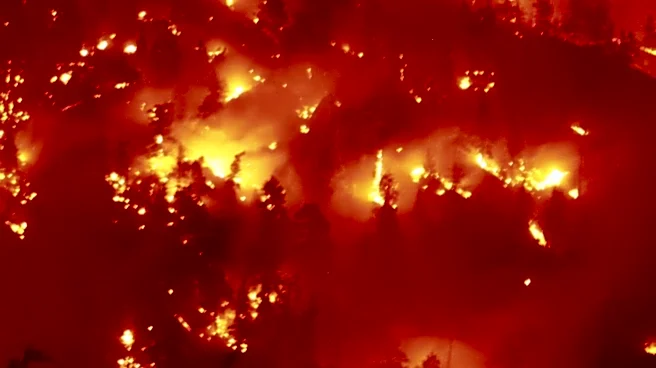
A significant wildfire, known as the Aspen Acres fire, is currently burning southwest of Denver, Colorado, leading to the evacuation of thousands of residents and the destruction of more than 160 structures. The fire, driven by erratic winds, has spread
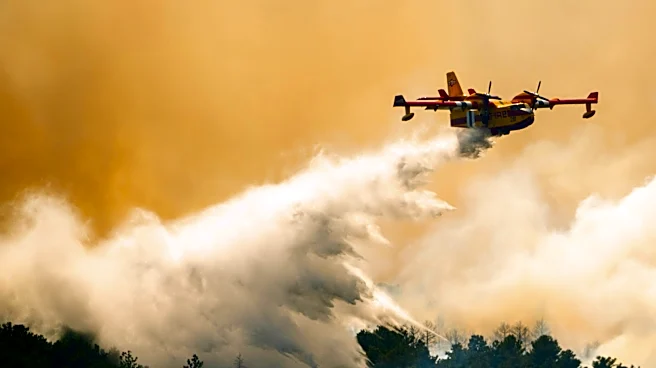
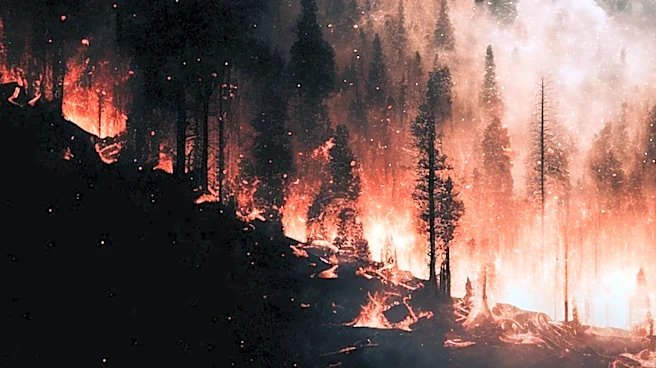
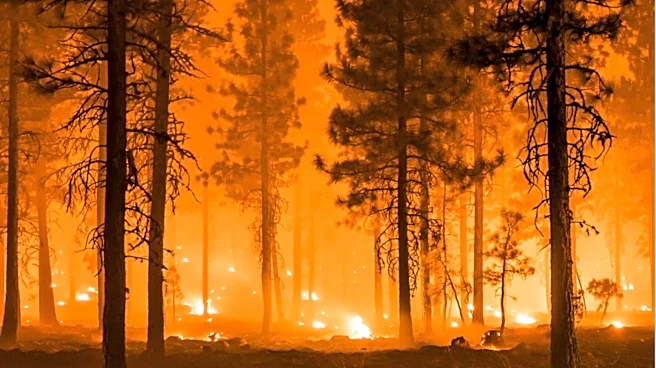
across two counties, expanding overnight by 17 square miles to cover nearly 105 square miles with zero containment as of Friday. The affected areas include Colorado City, Beulah, Rye, and San Isabel, all of which have been ordered to evacuate. Firefighting efforts are underway, with personnel using water from the Pueblo Reservoir to combat the blaze. Additionally, about 50 National Guard soldiers have been deployed to assist with road checkpoints and to support State Park Rangers in managing water-scooping operations. This fire is one of approximately 40 large, uncontained wildfires currently burning in the western United States, exacerbated by prolonged dry weather and a lack of snow during the past winter.
Why It's Important?
The Aspen Acres wildfire highlights the increasing frequency and intensity of wildfires in the western United States, a trend that poses significant risks to communities, infrastructure, and natural resources. The destruction of over 160 structures underscores the immediate threat to human life and property, necessitating large-scale evacuations and emergency responses. The deployment of National Guard soldiers and the use of state resources reflect the substantial logistical and financial challenges involved in managing such disasters. Furthermore, the fire's rapid spread and zero containment status illustrate the difficulties faced by firefighting teams in controlling these blazes, often exacerbated by climate conditions. The situation also raises concerns about the long-term impacts on local economies, ecosystems, and public health, as well as the need for enhanced fire management and prevention strategies.
What's Next?
Efforts to contain the Aspen Acres fire will continue, with firefighting teams focusing on preventing further spread and protecting evacuated communities. The involvement of the National Guard and additional resources suggests a coordinated response to manage the crisis. As the fire remains uncontained, ongoing assessments will determine the need for further evacuations or resource allocations. The situation may prompt discussions among policymakers and environmental agencies regarding fire prevention measures and climate adaptation strategies. Additionally, the aftermath of the fire will likely involve recovery and rebuilding efforts for affected communities, as well as evaluations of the fire's impact on local ecosystems and wildlife.