








What's Happening?
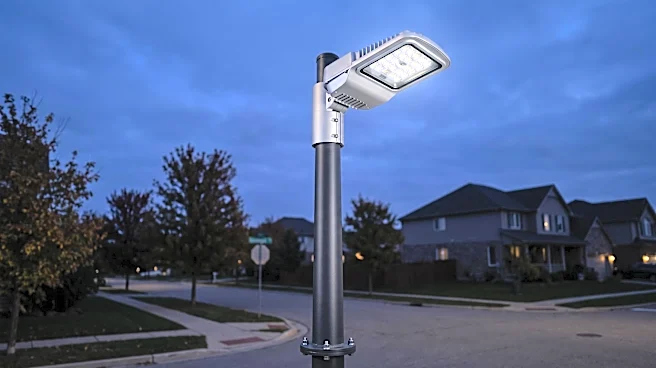
Morgantown city officials are collaborating with FirstEnergy to resolve issues stemming from newly installed LED streetlights. Residents in some First Ward homes have reported that the lights are causing intrusion, flooding bedrooms, and illuminating
interiors throughout the night. The city initiated the LED conversion to reduce electricity costs and maintenance for its approximately 1,700 streetlights, with estimated annual savings of $50,000 to $60,000 and a lifespan of up to 15 years for the LED units. The replacement program began downtown and expanded to neighborhoods this year. Due to the varying nature of each pole and the difficulty in precisely aiming LED technology during the day, the city is working with FirstEnergy to implement fixes. Some residents are circulating a petition to request the addition of hoods or repositioning of the lights.
Why It's Important?
This situation highlights the trade-offs involved in municipal infrastructure upgrades, particularly when cost-saving measures impact residents' quality of life. While the LED conversion offers significant financial benefits and environmental advantages through reduced energy consumption, the unintended consequence of light intrusion into homes presents a challenge for city planners and utility companies. The complaints from First Ward residents underscore the importance of considering the human element and potential disruptions during large-scale public works projects. For FirstEnergy, a major electric utility holding company, addressing these concerns is crucial for maintaining positive community relations and demonstrating corporate responsibility. The incident also serves as a case study for other municipalities considering similar LED streetlight conversions, emphasizing the need for thorough planning and community engagement to mitigate potential negative impacts.
What's Next?
Morgantown officials and FirstEnergy are actively working on solutions to address the LED streetlight glare. The city has not yet specified how many poles are affected or when remedies will be fully implemented. Residents who are experiencing light intrusion are encouraged to document the problems and communicate them to city officials and the utility. The ongoing petition from First Ward residents seeking hoods or repositioned lights indicates continued community engagement and a desire for prompt resolution. Future actions will likely involve technical adjustments to the existing LED units, such as installing shields or re-angling the lights, to minimize light spill into private residences. The outcome of this collaboration will set a precedent for how similar issues are handled in other communities undertaking LED streetlight upgrades.
Beyond the Headlines
The Morgantown LED streetlight issue extends beyond a simple technical fix; it touches upon broader themes of urban planning, public welfare, and the balance between technological advancement and community impact. The shift from traditional high-pressure sodium streetlights to LEDs, while energy-efficient, introduces new considerations regarding light pollution and its effects on residential areas. This scenario prompts a discussion on the ethical responsibilities of municipalities and utility providers to ensure that infrastructure improvements do not inadvertently diminish the living conditions of their citizens. It also highlights the power of community activism, as residents' petitions and complaints are driving the efforts to find solutions. This event could lead to the development of more comprehensive guidelines for urban lighting design, emphasizing not only energy efficiency but also light quality, directionality, and impact on surrounding environments.