


What's Happening?
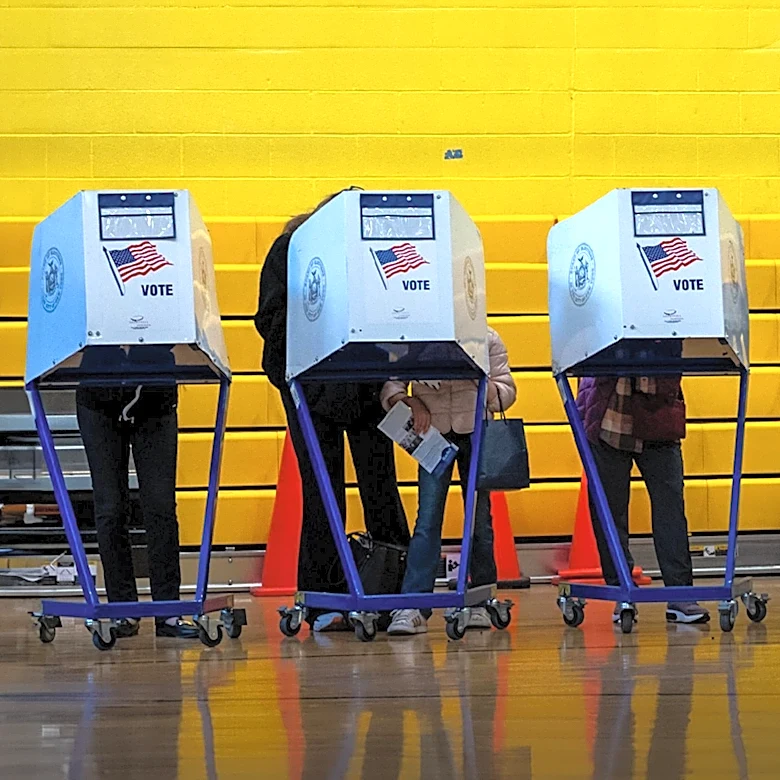
Fresno County residents will vote on Measure S, a proposed half-cent sales tax projected to generate nearly $7.4 billion over 30 years for transportation improvements. This measure, also known as 'Better Roads Safe Streets,' is designed to replace Measure C,
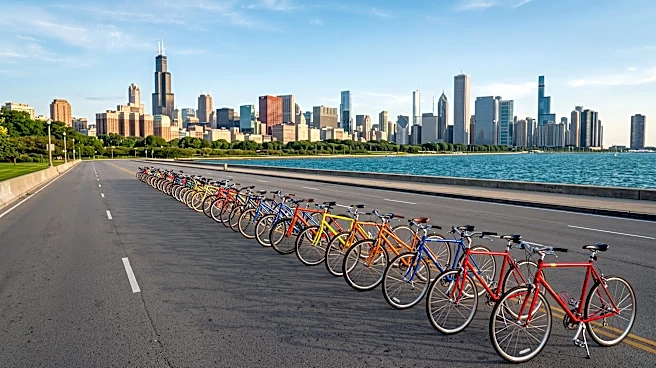
a half-cent sales tax that has been in effect since 1986 and is set to expire on June 30, 2027. Measure S significantly reallocates revenue compared to its predecessor, with 65% designated for existing neighborhood roads and 5% for regional improvements, including 1% for Fresno Yosemite International Airport. This contrasts with Measure C's allocation of 34.6% for local roads and 30.4% for regional projects. The new measure also mandates the construction of at least 120 miles of bike paths or protected bike lanes and 150 'Safe Routes to Schools' projects. Additionally, 25% of the tax revenue is allocated to public transit, with specific requirements for year-over-year improvements in service metrics.
Why It's Important?
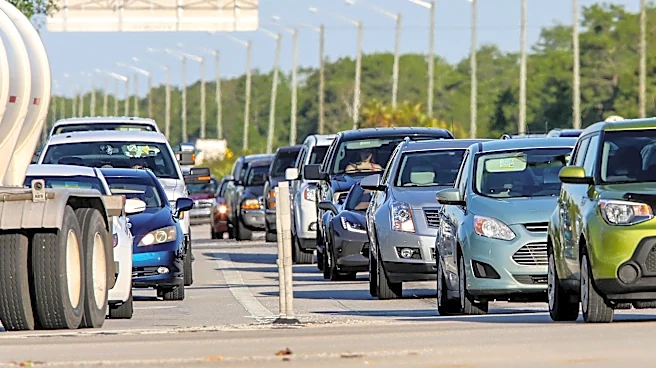
Measure S represents a substantial investment in Fresno County's infrastructure, with the potential to significantly impact daily life for its residents. The shift in funding priority from regional freeways to local neighborhood roads reflects a direct response to community feedback, aiming to address long-standing issues with road quality. The emphasis on active transportation, through mandated bike paths and 'Safe Routes to Schools,' could enhance public health, reduce traffic congestion, and improve environmental quality. Furthermore, the increased allocation to public transit, coupled with performance improvement requirements, seeks to make public transportation more reliable and accessible, particularly for seniors, people with disabilities, students, and military personnel who would receive free fares. However, critics argue that the reduced funding for regional projects could hinder the county's ability to secure matching state and federal funds for large-scale improvements, potentially limiting future growth and connectivity.
What's Next?
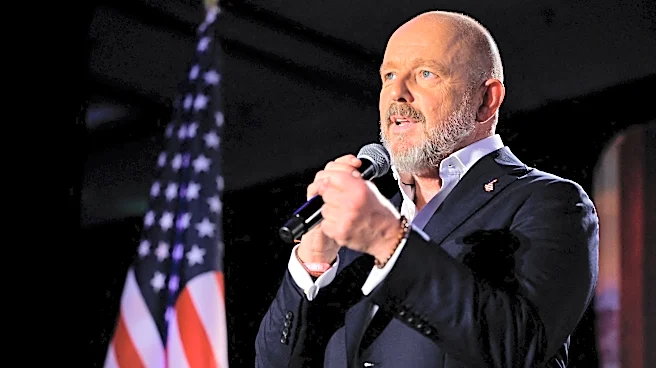
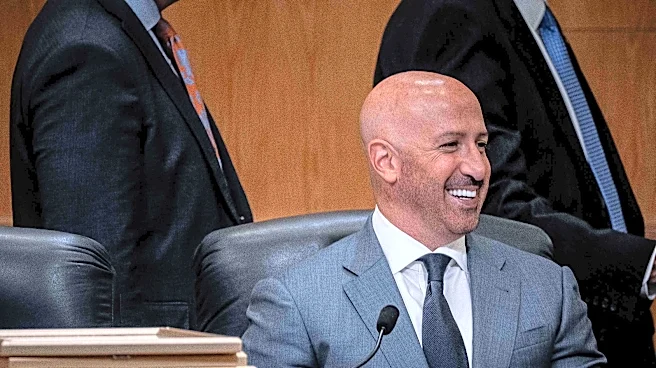
With Measure S now cleared for the November ballot, proponents and opponents will intensify their campaigns to sway voters. Supporters, like Veronica Garibay of Leadership Counsel for Justice and Accountability, plan to engage directly with voters to make the case for the measure's benefits, particularly its focus on local roads and active transportation. Conversely, opponents, such as Fresno County Board of Supervisors Chairman Garry Bredefeld, have vowed to campaign against it, arguing that the measure misuses taxpayer money and fails to adequately address regional transportation needs. If passed, Measure S would also eliminate the Fresno County Transportation Authority, transferring its responsibilities to the Fresno Council of Governments (COG) and strengthening citizen oversight. The outcome will determine the future direction of transportation planning and funding in Fresno County for the next three decades.
Beyond the Headlines
The debate surrounding Measure S highlights a broader national tension between prioritizing local infrastructure needs versus large-scale regional projects, and the role of public funds in shaping community development. The 'no-sprawl' stipulation, which prevents revenues from being used for new street construction in 'new growth areas,' reflects a growing trend towards sustainable urban planning and discouraging unchecked suburban expansion. The measure's focus on active transportation and public transit also aligns with national efforts to reduce carbon emissions and promote healthier lifestyles. However, the concerns raised by critics about the potential for limited regional project funding and the strict conditions for road expansion underscore the complex challenges of balancing diverse community needs within a single funding mechanism. The outcome in Fresno County could serve as a case study for other regions grappling with similar infrastructure and development dilemmas.