







What's Happening?
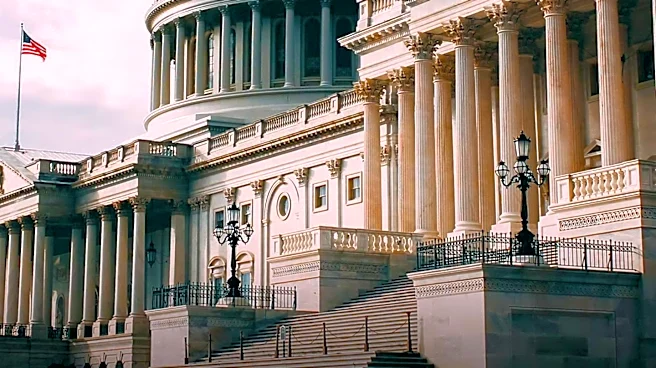
The U.S. House of Representatives voted against a bill proposed by Representative Rashida Tlaib that sought to withdraw U.S. troops from hostilities in Lebanon. Tlaib argued that the U.S. was involved in unauthorized military actions supporting Israel's
operations in Lebanon, violating the War Powers Act. However, opponents, including Rep. Brian Mast, contended that no American soldiers were present in Lebanon and that the bill could jeopardize peace efforts between Israel, Lebanon, and the U.S. The bill's rejection reflects ongoing debates over U.S. military involvement in the Middle East.
Why It's Important?
The decision to reject Tlaib's bill is significant as it highlights the complexities of U.S. foreign policy in the Middle East and the differing perspectives within Congress on military engagement. The debate over the bill underscores the challenges in balancing national security interests with legislative oversight of military actions. The outcome may influence future discussions on U.S. military presence abroad and the role of Congress in authorizing such actions. It also reflects broader geopolitical considerations and the U.S.'s strategic alliances in the region.