





What's Happening?
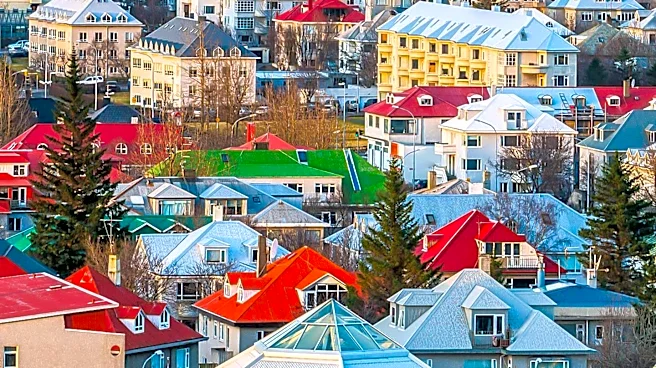
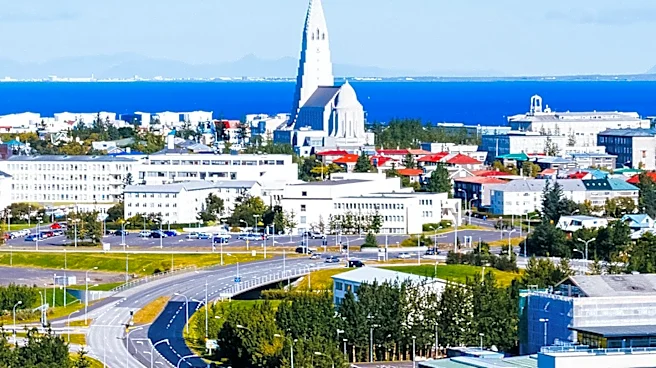
North Korea's Rodong Sinmun has reported on Reykjavík, the capital of Iceland, emphasizing its extensive use of geothermal energy and its designation as a 'zero-carbon city.' The report details that Reykjavík, whose name translates to 'smoking hole' due
to steam from hot springs, has been a pioneer in geothermal utilization since 1928. Iceland has continuously expanded its geothermal heat supply system over the past 80 years, making it a global leader in this field. The city uses hot springs to provide a steady supply of heat to public facilities and residential households through advanced technology, including water storage tanks and pipelines. Additionally, excess heat from electricity generation is reused, and some industrial facilities and greenhouses benefit from this geothermal energy. The article highlights that hot spring water is readily available in public bathhouses, underscoring the pervasive integration of geothermal resources into the city's infrastructure.
Why It's Important?
This report from North Korean state media is significant as it showcases an international example of sustainable energy practices, potentially influencing domestic policy discussions or public perception within North Korea regarding energy independence and environmental sustainability. While the immediate impact on U.S. industries or policy is indirect, the emphasis on a 'zero-carbon city' could subtly contribute to the global discourse on climate change and renewable energy. For the U.S., which is also exploring various renewable energy sources, the detailed account of Reykjavík's success in geothermal energy could serve as a case study, albeit presented through a North Korean lens. It underscores the potential for geothermal energy to provide consistent, clean power and heating, reducing reliance on fossil fuels and mitigating carbon emissions. The report also implicitly highlights the economic benefits of such systems, as they provide energy security and support various sectors, from residential heating to industrial use and agriculture.
What's Next?
The North Korean media's focus on Reykjavík's geothermal success could signal an internal push within North Korea to explore or expand its own renewable energy initiatives, particularly if it possesses similar geological conditions. While direct policy changes in the U.S. are unlikely to stem from this specific report, it adds to the global narrative promoting sustainable energy. International organizations and environmental groups may leverage such examples to advocate for greater investment in geothermal and other renewable energy technologies worldwide. For Iceland, this report further solidifies its reputation as a leader in green energy, potentially attracting more international collaboration or investment in its geothermal sector. The continued success of cities like Reykjavík in achieving 'zero-carbon' status will likely inspire other nations, including the U.S., to accelerate their transition to cleaner energy sources, potentially leading to increased research and development in geothermal technology.
Beyond the Headlines
Beyond the immediate reporting, this article touches upon the broader geopolitical implications of energy independence and environmental stewardship. For North Korea, highlighting a 'zero-carbon city' like Reykjavík could be a strategic move to project an image of environmental consciousness, despite its own significant environmental challenges and reliance on traditional energy sources. It also subtly positions North Korea as being aware of global trends in sustainability. For the U.S., the narrative reinforces the importance of diversifying energy portfolios and investing in technologies that reduce carbon footprints, aligning with broader climate goals. The story also implicitly raises questions about the transferability of such models to different geopolitical and economic contexts. While Iceland's unique geology makes geothermal energy highly accessible, the principles of sustainable urban planning and resource management demonstrated by Reykjavík offer valuable lessons for cities globally, including those in the U.S., striving for greater environmental resilience and energy self-sufficiency.