


What's Happening?
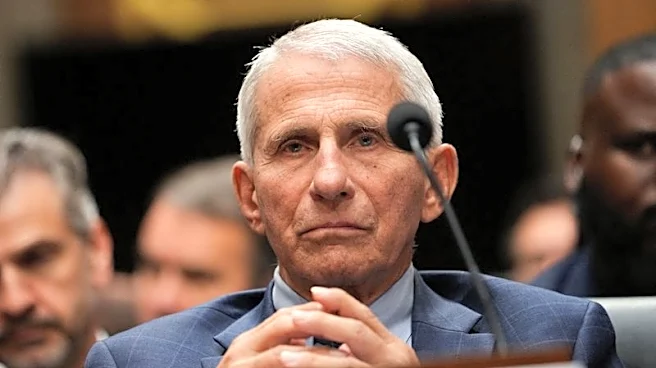
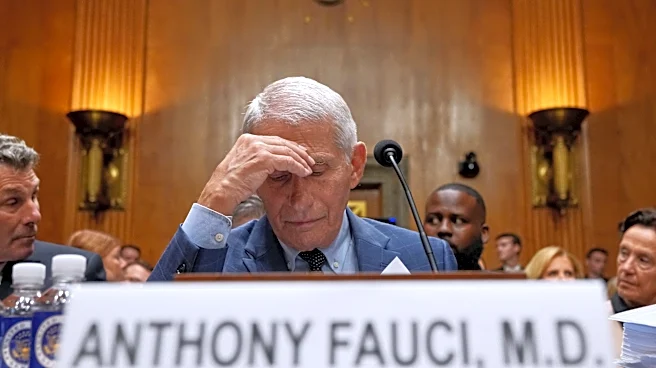
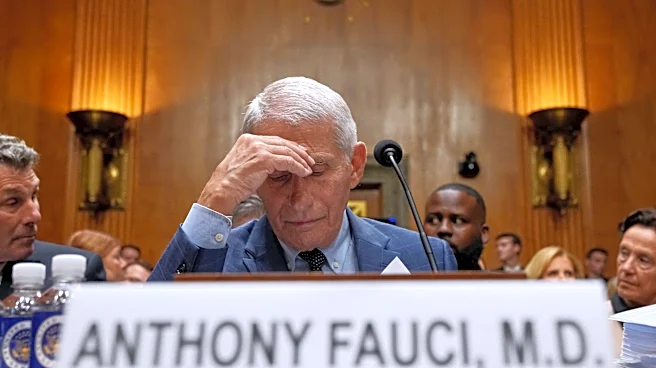
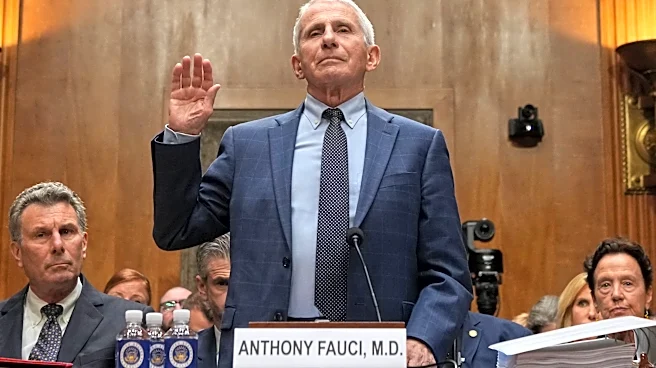
A Senate committee voted to hold Dr. Anthony Fauci in contempt of Congress and refer him to the Justice Department for potential prosecution over his refusal to answer questions at a hearing last week on his handling of the COVID-19 pandemic. Fauci invoked
his Fifth Amendment right against self-incrimination more than 100 times at the hearing. Republican Sen. Rand Paul of Kentucky, the committee chairman, argued that constitutional protection did not apply since Fauci last year received a pardon from Democratic President Joe Biden. Fauci and Democrats who opposed the contempt resolution say he had a well-founded fear of self-incrimination given a public desire by Republicans to seek his prosecution.
Why It's Important?
The decision to hold Dr. Fauci in contempt highlights ongoing political tensions surrounding the handling of the COVID-19 pandemic and the role of public health officials. It underscores the polarized environment in Congress, where public health decisions are often entangled with political agendas. The move could have implications for the credibility and independence of public health institutions, potentially affecting future pandemic responses and public trust in health authorities. The situation also reflects broader debates about the balance between political oversight and scientific autonomy in public health policy.
What's Next?
The referral to the Justice Department could lead to legal proceedings against Dr. Fauci, further intensifying political and public scrutiny. The outcome may influence how public health officials engage with congressional inquiries in the future, potentially affecting transparency and accountability. The situation may also prompt discussions within Congress about the appropriate use of contempt charges and the protection of constitutional rights for witnesses.
Beyond the Headlines
The contempt vote raises ethical questions about the politicization of public health and the potential impact on scientific integrity. It highlights the challenges faced by public health officials in navigating political pressures while maintaining their commitment to evidence-based practices. The situation may also lead to broader discussions about the role of science in policymaking and the need for safeguards to protect scientific independence.