






What's Happening?
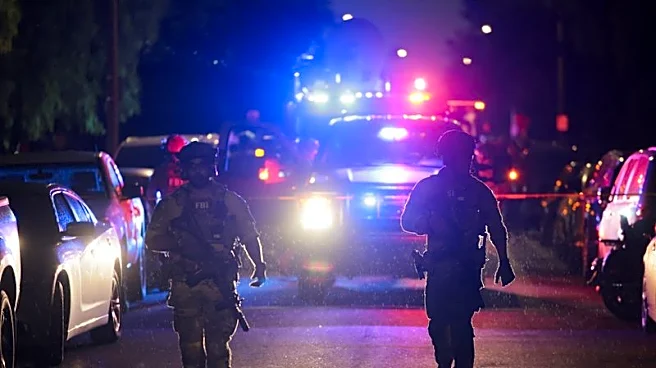
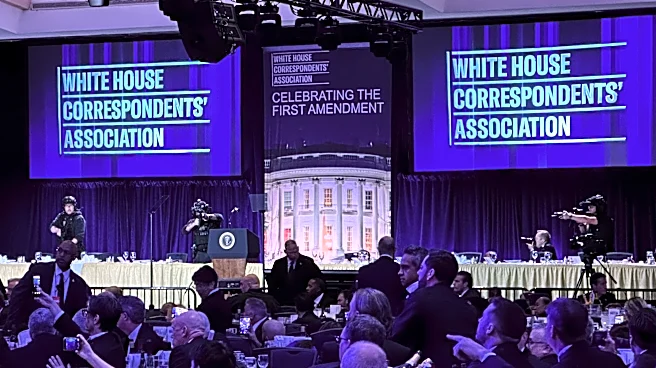
The recent attack at the White House Correspondents' Dinner has brought attention to the security limitations of the White House, which lacks a suitable venue for large-scale events. The incident, involving a gunman at the Washington Hilton, underscores
the need for a secure on-site ballroom, a project currently stalled due to legal challenges. The Trump administration has been advocating for the construction of a new ballroom to enhance security, but a lawsuit by the National Trust for Historic Preservation has halted progress. The situation highlights the challenges of balancing security needs with historical preservation.
Why It's Important?
The inability of the White House to host secure large-scale events poses significant risks to the safety of the President and other high-profile figures. The stalled ballroom project reflects broader issues of infrastructure and security in government facilities. The legal battle over the project also raises questions about the prioritization of security versus historical preservation. As security threats continue to evolve, finding a resolution to these challenges is crucial for ensuring the safety of national leaders and maintaining the integrity of government operations.
What's Next?
The Trump administration may seek to expedite the legal process to resume construction of the ballroom, potentially appealing the court's decision. There may also be increased discussions on alternative security measures to protect high-profile events in the interim. The outcome of the legal battle could set a precedent for future infrastructure projects involving historical sites. Additionally, the incident may prompt a reevaluation of security protocols for events held at external venues.