
What's Happening?
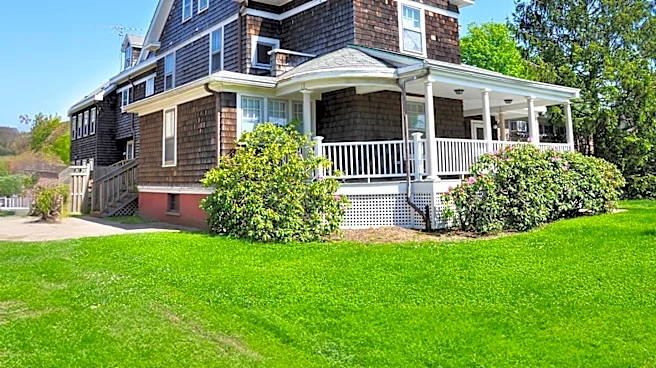
Swampscott town officials are actively pursuing measures to preserve the historic General Glover farmhouse. These efforts are unfolding as plans for a new apartment complex in the area are progressing
through various municipal boards. The farmhouse holds significant historical value, and the town is working to ensure its protection amidst new development. The specific nature of the protections being sought and the details of the apartment complex plans are currently under review by local authorities. This initiative reflects a broader commitment within Swampscott to balance modern development with the preservation of its historical landmarks.
Why It's Important?
The push to protect the General Glover farmhouse highlights a recurring challenge in many U.S. communities: balancing urban development with historical preservation. For Swampscott, this particular farmhouse represents a tangible link to its past, and its preservation is crucial for maintaining the town's cultural heritage and identity. The outcome of these efforts could set a precedent for how similar conflicts between development and history are resolved in the region. If the town successfully implements robust protections, it could encourage other communities to adopt similar strategies. Conversely, if the farmhouse's historical integrity is compromised, it could signal a weakening of preservation efforts in the face of economic development pressures, potentially leading to the loss of other significant historical sites.
What's Next?
Swampscott town officials are currently preparing their proposals for the protection of the General Glover farmhouse. These proposals will likely be presented to the municipal boards overseeing the apartment complex plans. The process will involve discussions, public hearings, and potential negotiations between developers and preservation advocates. The specific timeline for these actions is not yet clear, but the ongoing review of the apartment complex plans suggests that decisions regarding the farmhouse's future are imminent. The community and historical preservation groups will likely remain engaged, advocating for the strongest possible protections for the landmark.
Beyond the Headlines
Beyond the immediate concern of preserving a single structure, this situation touches upon the broader legal and ethical considerations of historical preservation in a rapidly developing landscape. It raises questions about the extent of a municipality's power to dictate development in favor of historical assets and the economic implications for property owners and developers. The General Glover farmhouse case could become a test case for innovative preservation strategies, such as integrating historical structures into new developments or utilizing conservation easements. It also underscores the importance of community engagement and advocacy in safeguarding historical sites, as public sentiment often plays a critical role in influencing policy decisions related to heritage protection.