




What's Happening?
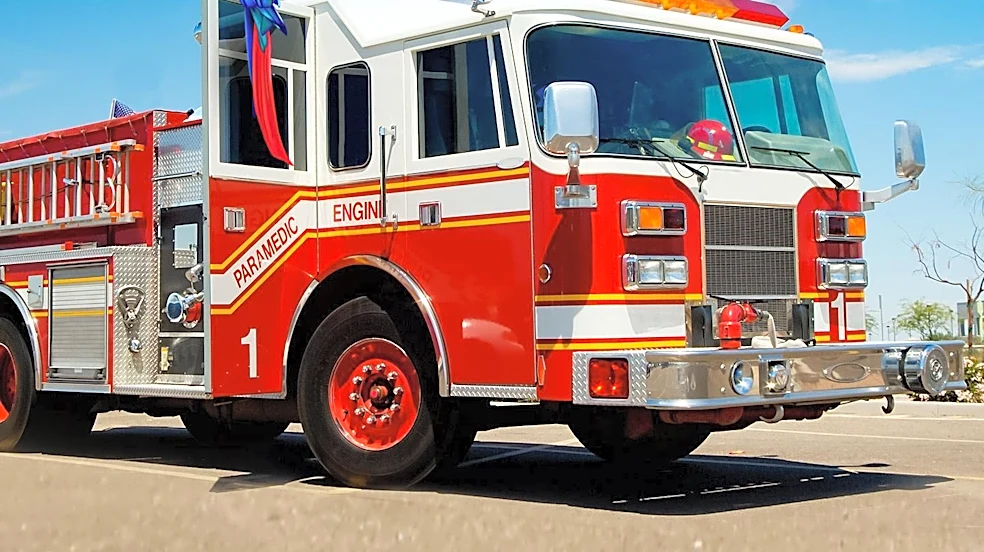
Cal Fire announced its plan to station a Type 3 engine in Quincy, Plumas County, starting in December. This move is described as a significant investment in public safety by Josh Kern, chief of Cal Fire’s Lassen-Modoc Unit. The engine, an off-road vehicle
designed for steep terrain, will be redirected from Westwood, where Cal Fire currently maintains a station. Frank Carey, chief of the Quincy Volunteer Fire Department, welcomed the additional equipment, emphasizing interagency cooperation. Plumas County Supervisor Mimi Hall, chair of the board, called the decision a strategic move for the county. This initiative marks the first state agency engine to be permanently stationed in Plumas County, which has over 70% of its land managed by the U.S. Forest Service.
Why It's Important?
The deployment of a Cal Fire engine to Quincy is crucial for enhancing fire protection capabilities in Plumas County, an area prone to wildfires. This strategic placement aims to improve response times and resource availability in a region where federal agencies manage a significant portion of the land. While the move is largely seen as beneficial, Supervisor Tom McGowan raised concerns about potential reductions in fire protection for the Almanor and Chester areas due to the engine's relocation from Westwood. Cal Fire plans to mitigate this by moving an engine from Susanville to Westwood during high fire danger periods and increasing staffing. This development signifies a long-term commitment from Cal Fire to increase its presence and improve fire safety infrastructure in Plumas County, potentially setting a precedent for similar deployments in other vulnerable regions.
What's Next?
The Cal Fire Type 3 engine is scheduled to be stationed in Quincy by December. This initial step is part of a broader, long-term plan by Cal Fire to expand its presence in Plumas County, with future aspirations to redirect personnel to Quincy. To address concerns about reduced coverage in the Chester area, Cal Fire intends to temporarily relocate an engine from Susanville to Westwood during periods of high fire danger and increase staffing as needed. Discussions may continue regarding the potential for a permanent Cal Fire station in other parts of the county, such as Indian Valley, as advocated by Supervisor Kevin Goss. The ongoing cooperation between Cal Fire and the U.S. Forest Service will be critical in coordinating fire response efforts and resource allocation in the region.
Beyond the Headlines
This move by Cal Fire highlights the evolving strategies in wildfire management, particularly in areas with extensive federal land ownership. The emphasis on interagency cooperation, as praised by Supervisor Mimi Hall, underscores a shift towards unified efforts in public safety, moving beyond jurisdictional boundaries. The decision to establish a permanent state agency presence in Plumas County could influence resource allocation models in other rural, fire-prone regions across California, potentially leading to more localized and integrated fire suppression efforts. It also brings to light the delicate balance between enhancing protection in one area and maintaining adequate coverage in others, necessitating careful planning and resource management to ensure comprehensive safety across the entire region.