
What's Happening?
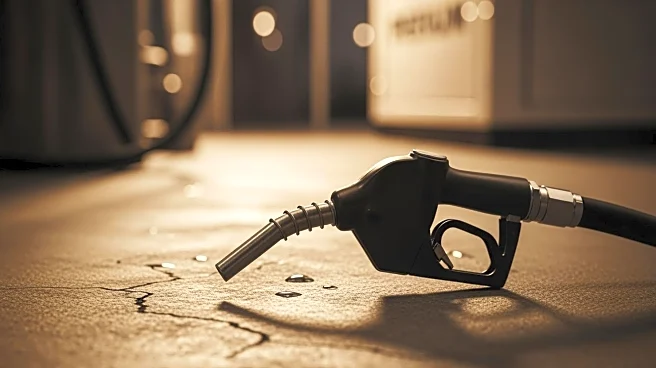
Iran has implemented a new pricing tier for its nationally subsidized gasoline, marking the first price adjustment since 2019. This move aims to address the country's economic challenges, including a depreciating
currency and international sanctions. The new pricing structure introduces a third tier, allowing motorists to purchase 60 liters per month at a subsidized rate, with subsequent purchases at higher rates. Despite the increase, Iran's gasoline prices remain among the lowest globally. The decision comes as the government seeks to manage its budget deficit and inflation, which currently stands at around 40%. The last significant price hike in 2019 led to widespread protests and a severe crackdown, resulting in over 300 deaths.
Why It's Important?
The adjustment in gasoline pricing is significant as it reflects Iran's ongoing struggle with economic sanctions and a weakening currency. The government's decision to increase prices, despite potential public backlash, underscores the urgent need to address fiscal challenges. The move could impact the cost of living and inflation, affecting millions of Iranians who rely on cheap fuel for transportation and employment. The change also highlights the broader geopolitical tensions affecting Iran's economy, particularly related to its nuclear program and international relations. The government's cautious approach suggests a desire to avoid repeating the unrest seen in 2019.
What's Next?
Iranian officials have indicated that further price increases may be considered in the future, with reviews scheduled every three months. This suggests a potential for continued economic adjustments as the government seeks to stabilize its finances. The public's response to the current price hike will be closely monitored, as any significant unrest could influence future policy decisions. Additionally, the international community will likely watch Iran's economic maneuvers closely, given the broader implications for regional stability and global energy markets.
Beyond the Headlines
The gasoline price increase in Iran may have deeper implications for the country's social fabric and political landscape. The government's ability to manage public discontent while implementing necessary economic reforms will be crucial. The situation also raises questions about the sustainability of Iran's subsidy system and its impact on long-term economic growth. As the country navigates these challenges, the balance between maintaining social stability and pursuing fiscal responsibility will be a critical factor in shaping Iran's future.