






What's Happening?
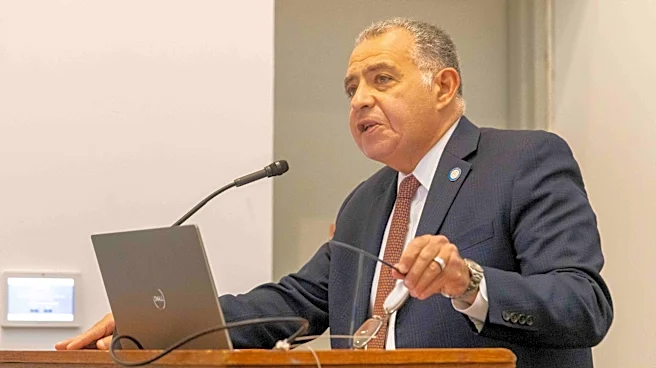
The Valley Initiative for Development and Advancement (VIDA) recently celebrated its 31st anniversary with a gala, recognizing students, community partners, and long-standing supporters. Former U.S. Education Secretary Dr. Miguel A. Cardona delivered
the keynote address, urging leaders in the Rio Grande Valley to continue investing in education and workforce development. Cardona, who served as the 12th U.S. Secretary of Education, participated in a fireside conversation with VIDA President and CEO Felida Villarreal, discussing educational opportunities, workforce training, economic mobility, and the challenges faced by first-generation students. Cardona shared his personal journey from a working-class Puerto Rican family to his role as Education Secretary, emphasizing the importance of high expectations for students and recognizing bilingualism and biculturalism as strengths. VIDA focuses on workforce development and career pathways leading to living-wage jobs in high-demand fields such as healthcare, STEM, and skilled trades, serving many first-generation college students and adult learners.
Why It's Important?
VIDA's 31-year commitment to education and workforce development in the Rio Grande Valley is crucial for addressing economic disparities and fostering upward mobility in a region with unique demographic and socioeconomic characteristics. The emphasis on high-demand fields like healthcare and STEM directly aligns with national efforts to strengthen the U.S. workforce and maintain global competitiveness. By supporting first-generation college students and adult learners, VIDA plays a vital role in breaking cycles of poverty and expanding access to higher education, which is a cornerstone of the American dream. Former Secretary Cardona's advocacy for continued investment underscores the federal government's recognition of such initiatives as essential for community and national prosperity. The organization's role as an intermediary connecting education with employment opportunities highlights a successful model for addressing skills gaps and ensuring that educational outcomes translate into tangible economic benefits for individuals and the community.
What's Next?
VIDA is expected to continue its mission of expanding educational and workforce opportunities, likely building on its successful model of case management, mentoring, and financial assistance. The recognition of students like Neida Perales and Elizabeth Ruiz, who benefited from VIDA's support, will likely inspire further engagement and investment from community partners and philanthropic organizations. The partnerships with entities like Methodist Healthcare Ministries of South Texas and UnidosUS suggest a continued focus on collaborative efforts to strengthen the healthcare workforce and advocate for issues affecting communities like the Rio Grande Valley. Former Secretary Cardona's call for sustained investment in education and workforce development will likely resonate with local leaders, potentially leading to increased funding and policy support for VIDA's programs. The organization's ongoing efforts will be critical in preparing the region's workforce for future economic demands and ensuring equitable access to opportunities.
Beyond the Headlines
VIDA's long-standing success in the Rio Grande Valley offers a compelling case study for addressing systemic educational and economic challenges in underserved communities across the U.S. The organization's focus on supporting first-generation and adult learners, often from diverse backgrounds, highlights the broader societal need to recognize and leverage the strengths of bilingual and bicultural individuals. This approach challenges traditional educational paradigms that may inadvertently marginalize such students. Furthermore, the emphasis on connecting education directly to high-demand jobs underscores a pragmatic and impactful strategy for workforce development, moving beyond theoretical learning to practical economic empowerment. The involvement of a former U.S. Education Secretary also elevates the conversation around the critical role of community-based organizations in achieving national educational and economic goals, suggesting that effective solutions often emerge from grassroots efforts tailored to specific local needs. This model could inform national policy discussions on how to best support diverse student populations and build resilient regional economies.