






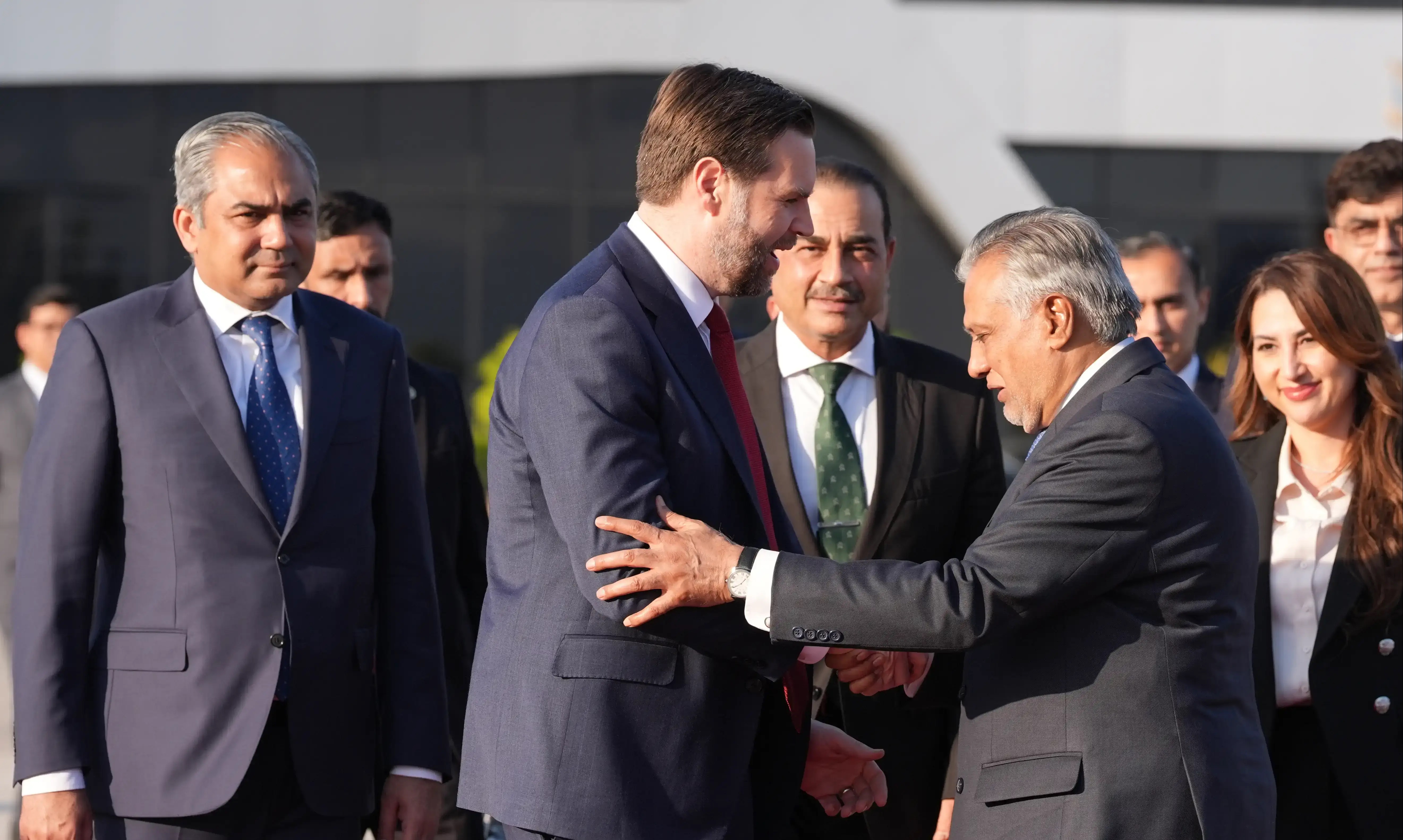

What's Happening?
Negotiations between the United States and Iran in Islamabad have concluded without reaching a peace agreement. The talks, which lasted 21 hours, were aimed at ending the ongoing conflict between the two nations. Key issues discussed included the strategic
Strait of Hormuz, nuclear development, war reparations, and sanctions. The Iranian delegation accused the U.S. of making 'unreasonable demands,' while the U.S. delegation, led by Vice President JD Vance, emphasized the need for Iran to commit to not developing nuclear weapons. The failure to reach an agreement casts doubt on the future of the fragile ceasefire currently in place.
Why It's Important?
The breakdown of talks between the U.S. and Iran has significant implications for regional stability and global oil markets. The Strait of Hormuz is a critical chokepoint for oil and natural gas trade, and continued tensions could disrupt supply chains and increase energy prices worldwide. The inability to reach a peace agreement may also exacerbate existing conflicts in the Middle East, particularly in Lebanon, where recent Israeli attacks have resulted in significant casualties. The situation underscores the challenges of diplomatic negotiations in resolving complex geopolitical issues.
What's Next?
With the talks ending without a deal, the U.S. and Iran may continue to engage in indirect negotiations or seek alternative diplomatic channels. The fragile ceasefire is set to expire soon, raising concerns about potential escalation in hostilities. Major stakeholders, including regional powers and international organizations, may increase efforts to mediate and prevent further conflict. The U.S. military's actions in the Strait of Hormuz, including mine-clearing operations, could lead to heightened military tensions in the region.