
What's Happening?
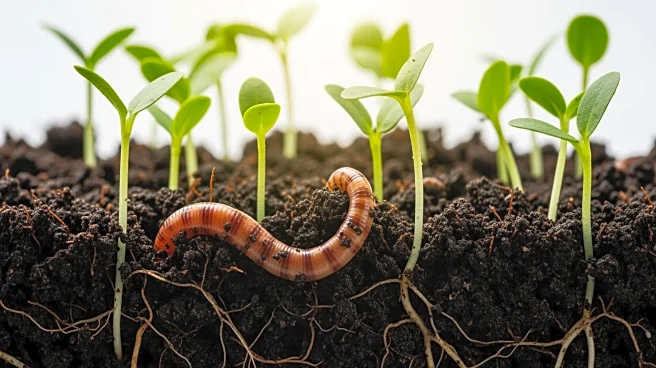
Research from Shenyang Agricultural University suggests that earthworms could play a significant role in reducing antibiotic resistance by transforming manure into safer organic fertilizer through vermicomposting.
This process, which uses earthworms and their microbes, has been shown to remove antibiotic resistance genes more effectively than traditional composting. The study highlights the potential of vermicomposting to improve soil health and support sustainable agriculture by reducing the spread of resistance genes from farm to table.
Why It's Important?
Antibiotic resistance is a major global health threat, and finding effective ways to mitigate its spread is crucial. Vermicomposting offers a low-energy, nature-based solution that could significantly reduce the presence of resistance genes in agricultural settings. By improving the safety of manure used as fertilizer, this method could help protect human health and the environment. The research underscores the importance of innovative approaches to managing antibiotic resistance and highlights the potential of integrating natural processes with modern biotechnology.