




What's Happening?
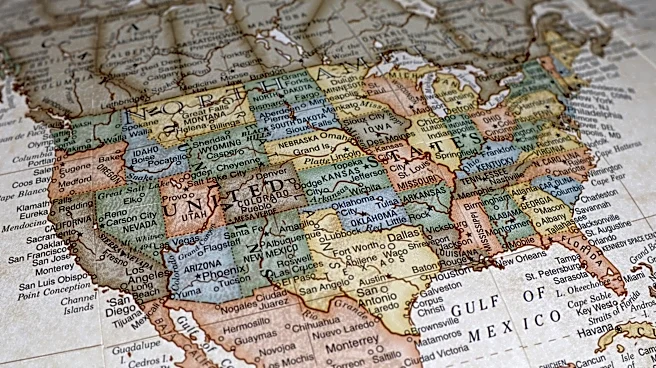
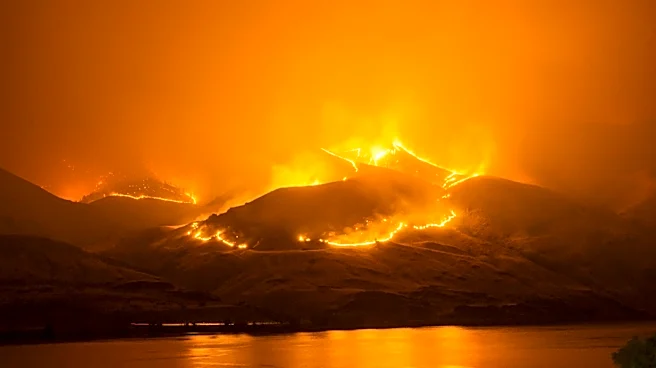
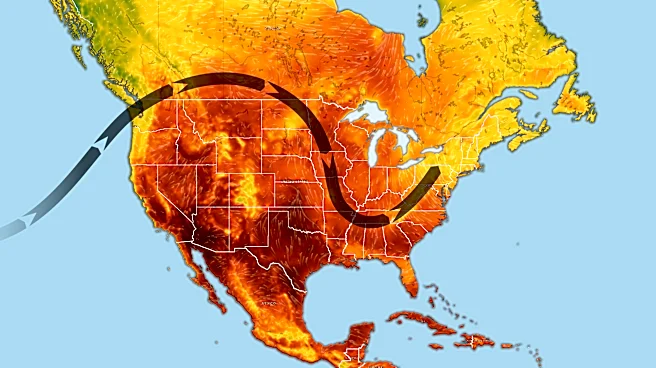
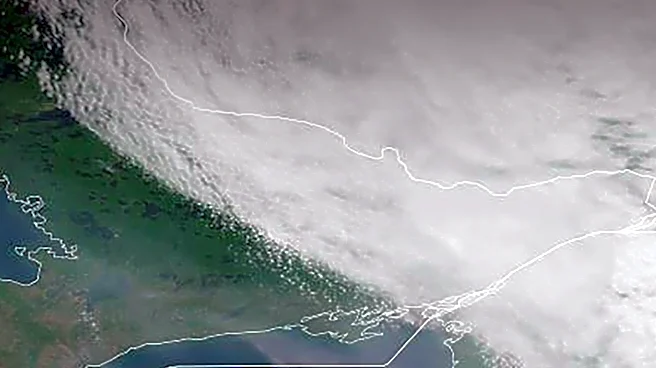
In mid-July 2026, wildfire smoke originating from eight fast-growing fires in northwestern Ontario severely affected air quality across the U.S. Midwest and Northeast. Cities like Duluth, Minnesota, experienced unprecedented levels of fine particulate
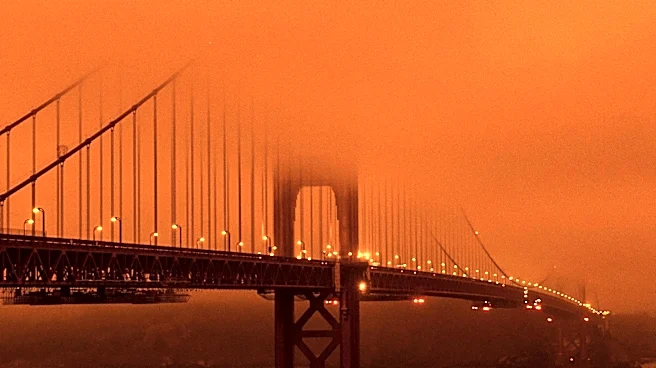
matter (PM2.5), with readings reaching hazardous levels. The smoke wave, lasting from July 14 to 19, saw 21 of the 25 hardest-hit U.S. metro areas averaging PM2.5 levels above the EPA's 'Unhealthy for Sensitive Groups' threshold. The smoke's impact extended to cities far from the fires, including New York and Washington, D.C., highlighting the widespread nature of the air quality emergency.
Why It's Important?
The severe air quality deterioration due to wildfire smoke underscores the growing environmental and public health challenges posed by climate change. The widespread impact across multiple states highlights the need for coordinated emergency response and public health strategies to protect vulnerable populations. The situation also emphasizes the importance of addressing climate change and its role in increasing the frequency and intensity of wildfires. As air quality becomes a recurring issue, there may be increased pressure on policymakers to implement stricter environmental regulations and invest in sustainable practices to mitigate future risks.
What's Next?
In response to the air quality crisis, affected states may enhance their emergency preparedness and public health advisories to better protect residents during future smoke events. There could be increased investment in air quality monitoring and clean-air infrastructure, such as shelters and distribution of respirators. On a broader scale, the event may catalyze further discussions and actions on climate change mitigation, with potential policy shifts towards reducing carbon emissions and promoting renewable energy sources. The public's growing awareness of air quality issues may also drive demand for cleaner technologies and sustainable practices.