





What's Happening?
Friends of Lake Winnecook is urgently seeking to raise the final $80,000 in community contributions by December 31, 2026. This fundraising push is critical to unlock an additional $80,000 from an anonymous donor, known as the organization's 'Silent Friend,'
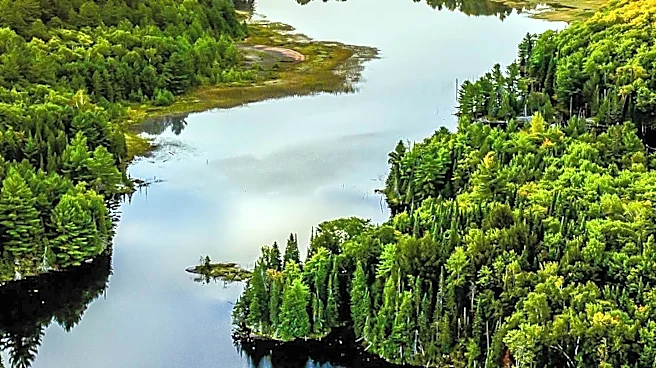
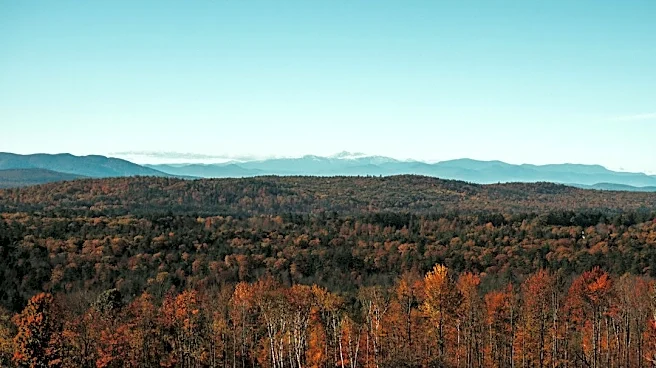
who has pledged to match up to $450,000 in eligible community gifts. The total campaign aims to fund a significant rehabilitation project for Lake Winnecook, also referred to as Unity Pond, which spans the communities of Unity, Burnham, and Troy in Maine. The lake is currently plagued by recurring algae blooms, primarily caused by excessive phosphorus. The proposed solution involves an alum treatment to neutralize phosphorus stored in the lakebed sediments, complemented by ongoing efforts to reduce erosion and polluted runoff from the surrounding watershed. The campaign has already secured $2 million in federal funding and $370,000 in community donations and pledges, which count towards the anonymous donor's match. Permitting for the alum treatment is underway, with the treatment anticipated to commence in 2027, pending approval.
Why It's Important?
The successful completion of this fundraising goal is vital for the ecological health and recreational future of Lake Winnecook. The lake serves as a critical natural resource, supporting diverse wildlife, offering outdoor recreational opportunities, and contributing to the quality of life for local communities. Persistent algae blooms degrade water quality, harm aquatic ecosystems, and can deter recreational use, impacting local economies that rely on tourism and outdoor activities. The alum treatment is a scientifically recognized method to address internal phosphorus loading, a key driver of algae growth. Securing the matching funds will not only enable this crucial treatment but also demonstrate strong community commitment, potentially encouraging further support for long-term watershed protection efforts. The project aligns with broader clean-water initiatives in Maine, such as those in the Belgrade Lakes region, highlighting a collective effort to preserve the state's natural water bodies for current and future generations. Failure to meet the fundraising target could delay or jeopardize the comprehensive rehabilitation plan, leading to continued environmental degradation.
What's Next?
The immediate next step for Friends of Lake Winnecook is to intensify their fundraising efforts to secure the remaining $80,000 by the December 31, 2026 deadline. The organization has launched a GoFundMe campaign and expanded its website to provide more information and facilitate donations, reaching out to individuals across Maine and beyond who are invested in clean water and environmental stewardship. If the target is met, the full $450,000 match from the 'Silent Friend' will be unlocked, providing essential funding for the alum treatment. Concurrently, the permitting process for the treatment will continue, with the goal of commencing the intervention in 2027. Beyond the immediate treatment, Friends of Lake Winnecook will continue its long-term watershed protection initiatives, which are crucial for preventing future phosphorus loading and maintaining the lake's health. The success of this campaign could also serve as a model for other lake rehabilitation projects facing similar challenges in Maine and other regions.
Beyond the Headlines
The Lake Winnecook rehabilitation campaign underscores the growing reliance on public-private partnerships and community philanthropy to address significant environmental challenges. The involvement of an anonymous 'Silent Friend' donor highlights the impact that substantial private contributions can have on large-scale conservation projects, often catalyzing broader community engagement and financial support. This model of matching grants incentivizes widespread participation, transforming individual donations into a collective force for environmental good. Furthermore, the project reflects a broader societal shift towards proactive environmental management, moving beyond reactive measures to implement preventative and restorative actions for natural resources. The long-term success of Lake Winnecook's rehabilitation will depend not only on the initial alum treatment but also on sustained community vigilance and adherence to best practices in watershed management, illustrating the continuous commitment required to maintain ecological balance in the face of ongoing environmental pressures. The campaign also subtly highlights the economic value of healthy ecosystems, as clean lakes contribute to property values, local economies, and overall community well-being.