





What's Happening?
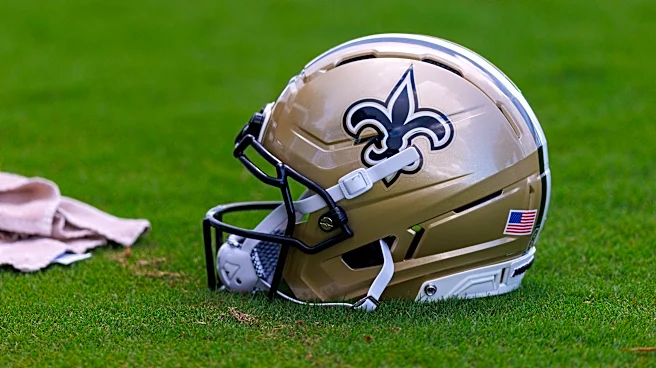
Gayle Benson, owner of the New Orleans Saints and Pelicans, is leading the privately supported 'Our City Our Cathedral' campaign to fund a significant restoration of St. Louis Cathedral in New Orleans. The project, estimated to cost $45 million for the cathedral
itself, is part of a broader $75 million campaign goal. The restoration will address extensive deterioration, including failing stucco, water damage, termite-damaged roof framing, and deteriorating interior plaster. The exterior work, which involves replacing stucco, repairing masonry, and installing new slate roofs, is expected to last at least two years. Following this, the interior phase will take another 18 to 24 months, focusing on restoring stained-glass windows, painted religious scenes, and reconstructing plaster ceilings. The project also includes the addition of a modern fire-protection sprinkler system. The cathedral plans to remain open as much as possible during construction, with weddings continuing through July 2027.
Why It's Important?
This extensive restoration project is crucial for preserving one of New Orleans' most iconic landmarks, the St. Louis Cathedral. The cathedral, which has anchored Jackson Square for generations, holds significant historical and cultural value for the city and the nation. Its preservation ensures that future generations can experience this architectural and spiritual heritage. The funding, largely driven by a prominent local figure like Gayle Benson, highlights the importance of private philanthropy in maintaining historical sites. The project's scale also suggests a substantial economic impact through job creation in specialized restoration and construction fields. Furthermore, maintaining the cathedral's structural integrity and aesthetic appeal is vital for New Orleans' tourism industry, as it is a key attraction in the French Quarter. The long-term maintenance and operational endowments planned within the broader campaign aim to secure the cathedral's future resilience against environmental challenges and wear.
What's Next?
The exterior restoration of St. Louis Cathedral is expected to commence this summer and continue for at least two years. Scaffolding will surround the building as crews address structural and aesthetic issues. A movable roof enclosure will be utilized to protect exposed sections during South Louisiana's rainy and tropical weather seasons. Following the exterior work, the interior phase will begin, lasting approximately 18 to 24 months. This will involve delicate restoration of stained-glass windows and religious artwork, with specialists like Wisconsin-based Conrad Schmitt Studios participating. While the cathedral aims to remain open for regular worship, portions of the interior work may necessitate temporary changes to its operations. Construction logistics will be complex due to the cathedral's location in the heavily trafficked French Quarter and its proximity to other landmarks. The campaign also seeks to raise an additional $10 million for rectory renovation and $20 million for endowments to support long-term maintenance and operating expenses.
Beyond the Headlines
The restoration of St. Louis Cathedral transcends mere architectural repair; it represents a profound commitment to safeguarding a living piece of American history and culture. The cathedral has endured centuries of challenges, including fires, hurricanes, and structural changes, making this current effort another chapter in its resilient narrative. The project underscores the ongoing dialogue between preservation and modernization, as it seeks to stabilize the historic fabric while integrating modern necessities like a fire-protection system. This initiative also highlights the role of community leaders and private funding in preserving national treasures, especially in regions prone to environmental stressors. The meticulous work on elements like the nearly 150-year-old plaster ceilings and the integration of specialized conservation studios speaks to a dedication to historical accuracy and craftsmanship, ensuring that the cathedral's unique blend of Greek Revival and Gothic Revival influences continues to inspire and serve as a cultural anchor for New Orleans.