






What's Happening?
The U.S. Department of Energy (DOE) recently honored six exceptional teams from its science portfolio at the Secretary's Honor Awards. These awards recognize significant achievements across DOE and its National Laboratories, reflecting the breadth and ambition
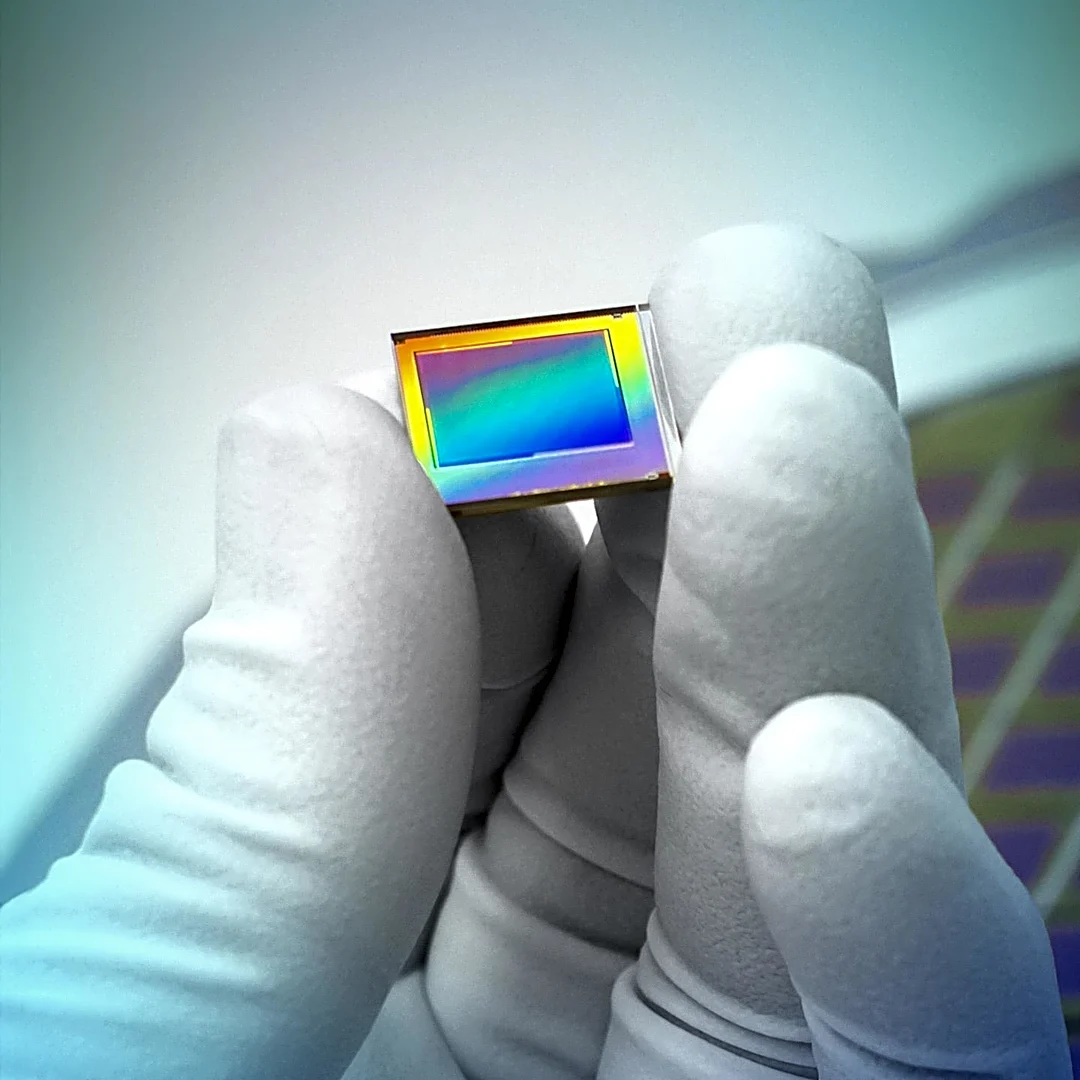
of their scientific work. The recognized teams include: The Relativistic Heavy Ion Collider Discovery and Innovation Team for two decades of nuclear physics research; The Genesis Mission Team for uniting all 17 National Laboratories to create a new platform for scientific discovery; The Advanced Photon Source Upgrade Project Team for delivering a world-leading X-ray light source; The Fusion Innovation Research Engine Collaborative Team for building partnerships to accelerate fusion science and technology; The Isotopically Enriched Germane and Silane Production/Purification Team for establishing a critical domestic capability in quantum science; and The Vera C. Rubin Observatory First Look Project Team for providing an unprecedented view of the universe.
Why It's Important?
These awards underscore the critical role of the U.S. Department of Energy and its National Laboratories in advancing scientific knowledge and technological innovation. The achievements recognized have far-reaching implications for national priorities, including energy security, quantum science, and fundamental physics. For instance, advancements in fusion science could lead to new, clean energy sources, while breakthroughs in quantum science are vital for future computing and secure communication. The collaborative efforts highlighted, such as the Genesis Mission involving all 17 National Laboratories, demonstrate the power of inter-agency cooperation in tackling complex scientific challenges. These accomplishments not only enhance the nation's scientific standing but also contribute to economic competitiveness and national security by fostering domestic capabilities in critical technological areas.
What's Next?
The recognition of these teams is expected to further motivate ongoing research and development within the DOE and its National Laboratories. The continued success of projects like the Advanced Photon Source Upgrade and the Fusion Innovation Research Engine Collaborative Team suggests sustained investment and focus on these high-impact scientific areas. Future efforts will likely build upon the foundations laid by these award-winning teams, potentially leading to new discoveries and applications in nuclear physics, quantum technologies, and astrophysics. The emphasis on collaboration, as exemplified by the Genesis Mission, indicates a continued strategy of leveraging collective expertise across national laboratories and external partners to address ambitious scientific goals and strengthen the nation's research infrastructure.
Beyond the Headlines
The Secretary's Honor Awards highlight a deeper narrative about the long-term commitment required for significant scientific progress. Many of these achievements, like two decades of research on the Relativistic Heavy Ion Collider, represent sustained effort and substantial investment over many years. This long-term vision is crucial for tackling grand scientific challenges that do not yield immediate results but are foundational for future technological revolutions. The awards also implicitly acknowledge the human element of scientific endeavor—the dedication, collaboration, and ingenuity of thousands of researchers. Furthermore, the focus on domestic capabilities in areas like quantum science reflects a strategic imperative to reduce reliance on foreign sources for critical technologies, thereby enhancing national resilience and security in an increasingly complex global landscape.