



What's Happening?
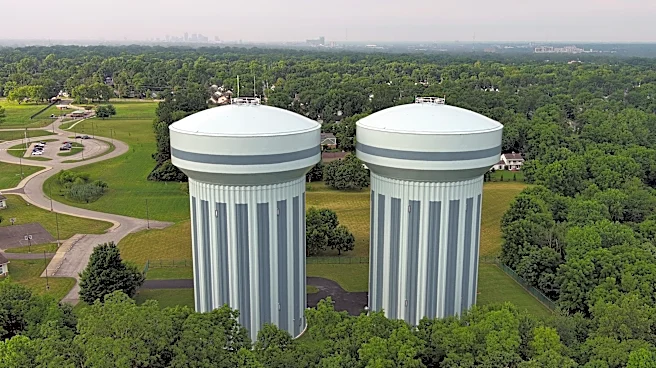
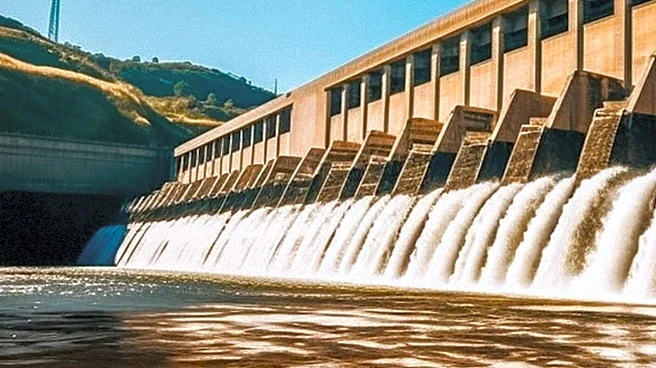
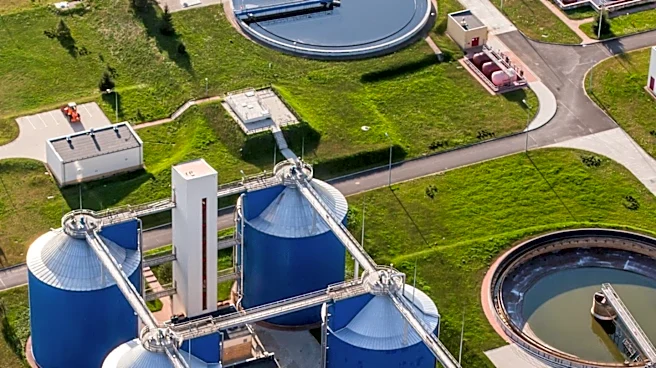
Two municipal water systems in New Jersey were targeted by cyberattacks, with Iran suspected as the perpetrator. The attacks temporarily disabled automated systems, forcing the utilities to switch to manual operations. Despite the disruption, there was
no interruption in water service, and both systems have since been secured with enhanced access controls. The New Jersey Cybersecurity and Communications Integration Cell, along with federal partners, is investigating the incidents, which involved vulnerabilities in internet-exposed control systems. The attacks are part of a broader pattern affecting water utilities across multiple states.
Why It's Important?
The cyberattacks on New Jersey's water systems highlight the vulnerabilities in critical infrastructure and the potential risks posed by state-sponsored cyber threats. Such incidents underscore the need for robust cybersecurity measures to protect essential services from disruption. The attacks also raise concerns about the potential for more severe consequences if critical infrastructure is compromised, affecting public safety and national security. The situation emphasizes the importance of collaboration between state and federal agencies to enhance cybersecurity resilience and prevent future attacks.
What's Next?
In response to the attacks, utilities across the country are assessing their systems for vulnerabilities and implementing security upgrades. The ongoing investigation will likely lead to increased scrutiny of cybersecurity practices in the water sector. Policymakers may consider additional regulations or funding to support infrastructure protection. The situation could also influence diplomatic relations, as the U.S. evaluates potential responses to state-sponsored cyber threats. Continued vigilance and proactive measures will be essential to safeguarding critical infrastructure from future cyberattacks.