

What's Happening?
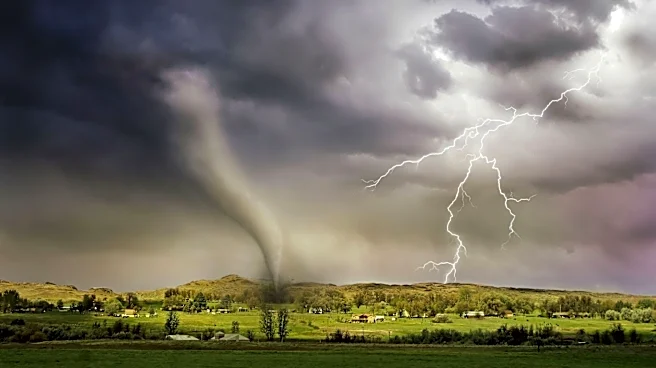
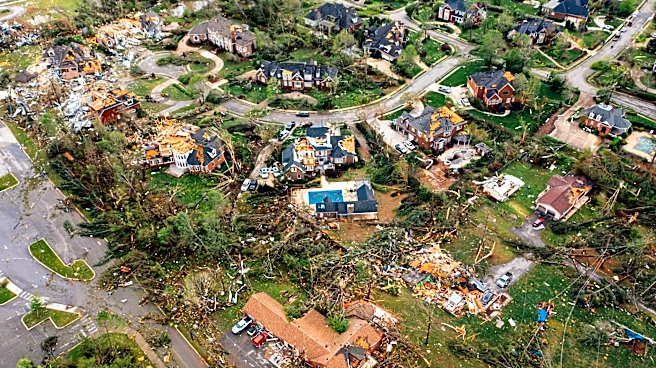
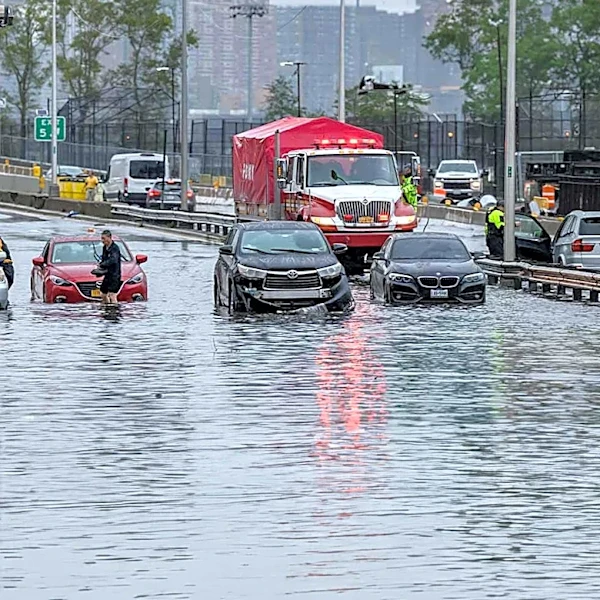
Cleanup efforts and damage assessments are in progress in Dover, Delaware, and on Long Island, New York, following tornadoes that touched down during severe storms. These storms brought heavy rains and flash flooding to the Northeast, leading to numerous
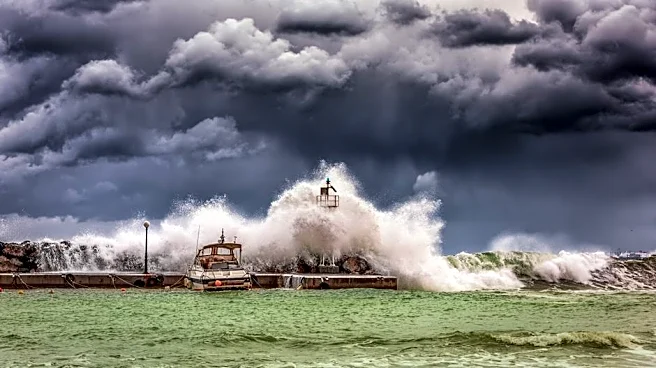
individuals being stranded in their vehicles. While significant damage has been reported, particularly to a motel roof in Dover and beach club structures in Atlantic Beach, officials have confirmed that there were no serious injuries. The National Weather Service reported a tornado in Dover based on a trained spotter's observation and confirmed another tornado, which originated as a waterspout over the Atlantic Ocean, struck Atlantic Beach. Weather service crews are scheduled to survey the affected areas to determine the strength and exact paths of these tornadoes.
Why It's Important?
The impact of these tornadoes highlights the increasing vulnerability of U.S. communities to extreme weather events, which can lead to significant property damage and disruption. For residents and businesses in Dover and on Long Island, the immediate aftermath involves substantial cleanup and repair costs, potentially straining local resources and insurance providers. The lack of serious injuries is a positive outcome, but the widespread disruption, including road closures and the need for emergency rescues, underscores the importance of robust emergency preparedness and response systems. This event also brings attention to the economic implications of natural disasters, as communities face the challenge of rebuilding and restoring services, which can have ripple effects on local economies and infrastructure.
What's Next?
Dover Mayor Robin Christiansen has lifted the state of emergency, allowing residents and businesses to resume normal activities, though police have advised patience due to ongoing debris and cleanup operations. Utility crews and emergency personnel will continue working to restore services and clear blocked lanes. On Long Island, Nassau County Executive Bruce Blakeman reported that first responders successfully rescued individuals trapped in vehicles due to flooding. Further assessments by the National Weather Service will provide more detailed information on the tornadoes' strengths and paths, which will aid in future disaster planning and mitigation strategies. The focus will remain on recovery, with local authorities coordinating efforts to assist affected residents and businesses in the coming days.
Beyond the Headlines
This event underscores a broader trend of severe weather phenomena impacting regions not traditionally associated with frequent tornado activity, prompting questions about climate patterns and their influence on localized weather events. The rapid onset of flash flooding, trapping dozens in their cars, also highlights critical infrastructure vulnerabilities, particularly in urban and suburban areas where drainage systems may be overwhelmed by intense rainfall. Beyond the immediate physical damage, there are psychological impacts on communities experiencing such sudden and destructive events. The coordinated response from emergency services and the resilience of local communities in the face of such challenges offer insights into effective disaster management and the importance of community preparedness and mutual aid in recovery efforts.