



What's Happening?
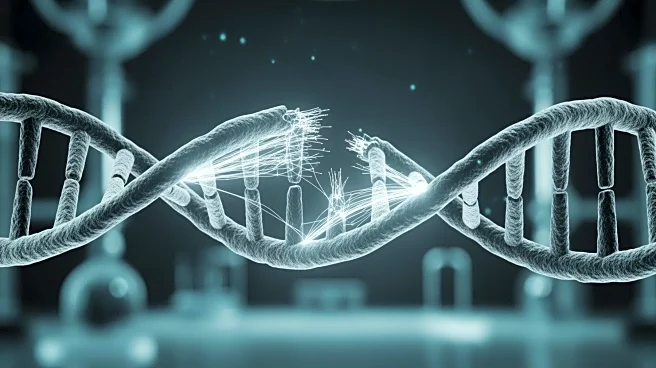
Researchers at Scripps Research have identified a DNA repair mechanism that cancer cells rely on to survive. The study, published in Cell Reports, focuses on the role of the senataxin (SETX) protein in managing DNA repair. In its absence, R-loops accumulate
at DNA break sites, triggering the Break Induced Replication (BIR) process. This emergency repair mechanism, while allowing cells to survive severe DNA damage, is error-prone and linked to cancer cell proliferation. The research highlights the potential for targeting this mechanism in cancer therapies, as SETX-deficient cells become dependent on BIR for survival.
Why It's Important?
The discovery of the BIR mechanism's role in cancer cell survival presents a potential target for new cancer treatments. By inhibiting BIR-related proteins, such as PIF1, RAD52, and XPF, researchers could selectively kill cancer cells that rely on this repair process. This approach could lead to therapies that exploit the synthetic lethality of SETX-deficient tumors, offering a new avenue for cancer treatment. The findings are significant as they could apply to a broader range of cancers, not just those with SETX mutations, potentially impacting cancer treatment strategies and patient outcomes.
What's Next?
The research team is exploring ways to inhibit BIR factors with the right activity and low toxicity. They are also investigating which cancers accumulate high levels of R-loops and under what conditions, to identify tumors most likely to respond to BIR-targeted therapies. This ongoing research aims to develop targeted cancer treatments that exploit the vulnerabilities of cancer cells dependent on the BIR repair mechanism.