







What's Happening?
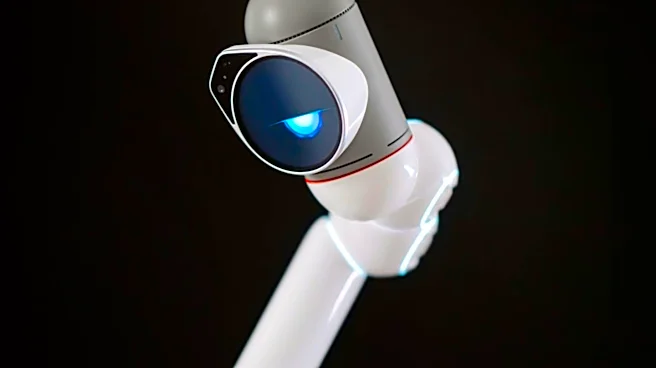
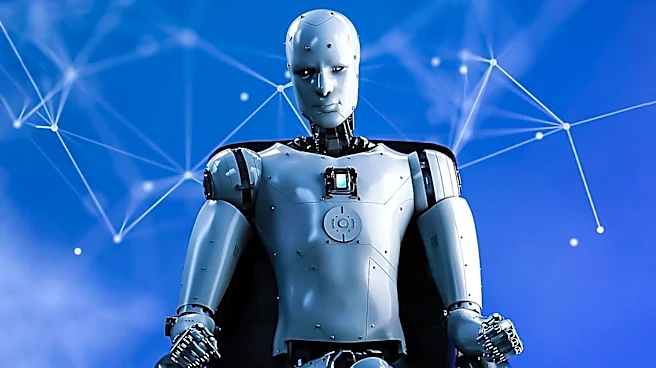
Hospitals are increasingly integrating automation into their operations to streamline administrative tasks and improve efficiency. This includes the use of AI tools for documentation, scheduling, and decision support, as well as logistics robots for transporting
supplies. Despite these advancements, a significant challenge remains: the availability of physicians. Automation can enhance hospital workflows, but it cannot replace the need for doctors in specific specialties and locations. The Association of American Medical Colleges projects a shortage of up to 86,000 physicians by 2036, which could exacerbate existing issues in healthcare delivery. Hospitals are finding that while automation can reduce delays and improve processes, it cannot address the fundamental issue of matching physician supply with patient demand.
Why It's Important?
The integration of automation in healthcare is crucial for improving efficiency and reducing the burden on clinical staff. However, the projected physician shortage poses a significant threat to the healthcare system's ability to meet patient needs. This shortage could lead to longer wait times, increased strain on existing staff, and potential gaps in patient care. The challenge of matching physicians to demand is complex, involving factors such as location, compensation, and career goals. Addressing this issue is essential for maintaining the quality of care and ensuring that technological advancements in automation translate into real-world benefits for patients and healthcare providers.
What's Next?
To address the physician shortage, healthcare systems need to incorporate workforce planning into their automation strategies. This includes better recruitment processes, improved scheduling tools, and enhanced visibility into where demand is rising. Hospitals may also need to explore telehealth and regional service lines to mitigate the impact of physician shortages. By aligning automation efforts with workforce planning, healthcare systems can better manage operational risks and improve access to care. The focus should be on creating a balanced approach that leverages technology to support, rather than replace, human capacity in healthcare delivery.
Beyond the Headlines
The reliance on automation in healthcare raises ethical and operational questions about the balance between technology and human expertise. While automation can streamline processes, it is essential to ensure that it does not lead to depersonalized care or overlook the importance of human interaction in healthcare settings. Additionally, the focus on automation should not detract from efforts to address systemic issues such as physician recruitment and retention. A holistic approach that considers both technological and human factors is necessary to create a sustainable and effective healthcare system.