



What's Happening?
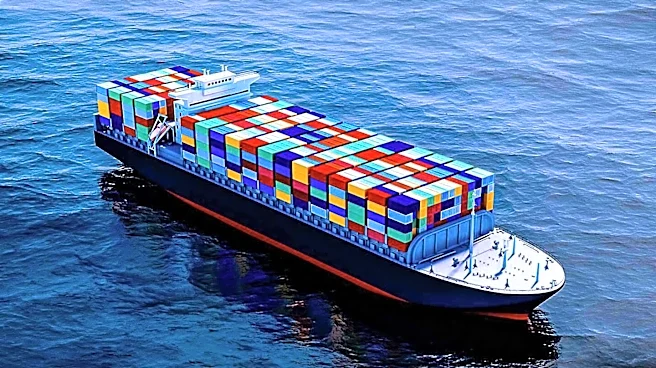
Eight major shipping associations have urged the United Nations to oppose the imposition of tolls in the Strait of Hormuz, as Iran and Oman consider a deal to manage the waterway. The groups argue that such tolls would violate international norms and harm
the global economy by increasing energy prices and inflation. The letter to UN Secretary-General Antonio Guterres and International Maritime Organization Secretary-General Arsenio Dominguez emphasizes the importance of preserving freedom of navigation. The potential tolls could set a precedent affecting international maritime governance.
Why It's Important?
The Strait of Hormuz is a critical chokepoint for global oil and gas shipments. Imposing tolls could disrupt international trade, leading to higher costs for energy and goods worldwide. This move could particularly impact Asia, which relies heavily on Gulf energy exports. The situation underscores the geopolitical tensions in the region and the potential for economic instability. The shipping industry's response highlights the broader implications for international trade and the importance of maintaining established maritime laws.
What's Next?
The UN and International Maritime Organization may engage in diplomatic efforts to address the concerns raised by the shipping associations. The outcome of these discussions could influence future maritime policies and international relations in the region. Stakeholders will likely monitor the situation closely, given its potential impact on global trade and energy markets. The international community may also explore alternative routes or solutions to mitigate the economic risks associated with the proposed tolls.