





What's Happening?
In Puakō, a coastal community on Hawai‘i island, residents have been collaborating for over a decade to mitigate the harmful effects of wastewater on nearby coral reefs. The volunteer-run nonprofit Puakō For Reefs has proposed a low-pressure liquid-only
sewer system as a viable alternative to traditional cesspools and septic systems. This initiative aims to address the state mandate to convert over 49,000 cesspools by 2050, a goal deemed unfeasible by local officials. The proposed system would use smaller pipes and a grinder to process waste, significantly reducing installation costs compared to traditional gravity-fed systems. The project has gained support from Hawai‘i County officials, who see it as a potential model for other coastal areas.
Why It's Important?
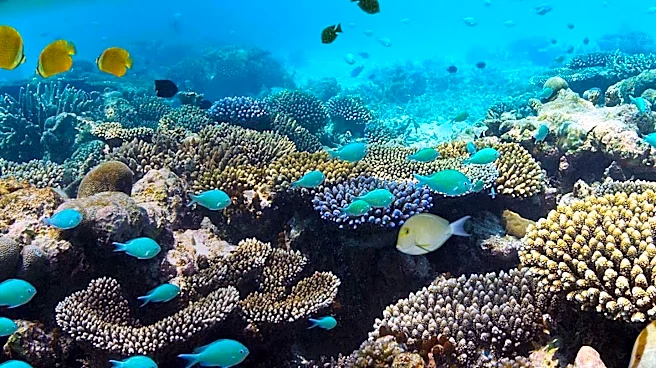
The development of a low-pressure sewer system in Puakō is significant as it offers a sustainable solution to the environmental challenges posed by traditional wastewater systems. By reducing nitrogen runoff into the ocean, the initiative aims to protect and restore coral reefs, which are vital to marine biodiversity and local tourism. The project also highlights the potential for community-driven environmental solutions and could serve as a blueprint for similar efforts in other regions. The involvement of local government and community organizations underscores the importance of collaborative approaches to environmental conservation.
What's Next?
The Puakō For Reefs group plans to complete the planning and permitting process by 2027, with construction slated to begin in 2028. The project has garnered interest from other coastal communities, such as Kahalu‘u, which are considering similar systems. Funding remains a challenge, with efforts underway to secure financial support through community facilities districts and local philanthropy. The success of the Puakō project could pave the way for broader adoption of low-pressure sewer systems across Hawai‘i, potentially transforming wastewater management practices in the state.