







What's Happening?
Huntsville City Arborist Marc Byers is highlighting the critical importance of understanding tree root systems for the long-term health and stability of the city's urban trees. Contrary to a common misconception, tree roots do not mirror the crown above
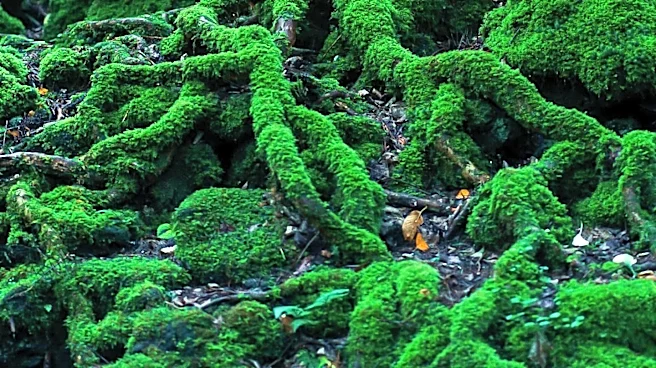
by plunging deep into the earth. Instead, they spread outwards, often two to three times wider than the tree's canopy, primarily because they require access to oxygen and water. In Huntsville's dense, heavy soils, these vital resources are typically not available much deeper than two feet. This shallow but expansive root zone contains both feeder roots, responsible for absorbing water and nutrients, and support roots, which anchor the tree. Byers stresses that protecting this shallow space is crucial for the tree's strength and overall well-being, especially given the challenges urban trees face.
Why It's Important?
This initiative is important for Huntsville as it directly impacts the city's tree canopy, healthier landscapes, and the sustainability of its public and private green spaces. Misunderstandings about root growth can lead to practices that inadvertently harm urban trees. For instance, trenching for utilities or construction, even shallowly, can sever roots and destabilize a tree. Soil compaction from foot traffic or parking vehicles over root zones can restrict water and oxygen flow, causing damage over time. By educating residents and city workers on proper tree care, Huntsville aims to mitigate these threats, ensuring the longevity of its urban forest. A healthy tree canopy provides numerous benefits, including improved air quality, reduced urban heat island effect, enhanced aesthetics, and increased property values, all of which contribute to the overall quality of life for Huntsville residents.
What's Next?
The City of Huntsville will continue to promote best practices for tree care, encouraging residents to adopt simple habits that protect community trees. These include avoiding digging or trenching near tree trunks, keeping vehicles off root zones, and watering slowly and widely around trees rather than concentrating water near the trunk. The use of mulch is also recommended to reduce soil compaction and maintain moisture. By fostering a greater understanding of what happens beneath the surface, the city aims to ensure that its tree canopy remains robust for years to come. This ongoing educational effort will likely involve public awareness campaigns and continued guidance from the City Arborist to integrate these practices into daily routines and urban development projects.
Beyond the Headlines
The focus on tree root systems in Huntsville reflects a broader shift in urban planning towards more sustainable and ecologically informed practices. This understanding moves beyond superficial aesthetics to address the fundamental biological needs of urban flora. The ethical dimension lies in recognizing trees as vital components of urban ecosystems that require careful stewardship, not just decorative elements. Legally, this could influence future zoning laws or construction guidelines, potentially leading to stricter regulations regarding excavation near established trees. Culturally, it fosters a deeper connection between residents and their natural environment, promoting a sense of collective responsibility for urban green spaces. This proactive approach to tree health could serve as a model for other cities facing similar challenges in maintaining their urban canopies amidst ongoing development and environmental pressures.