








What's Happening?
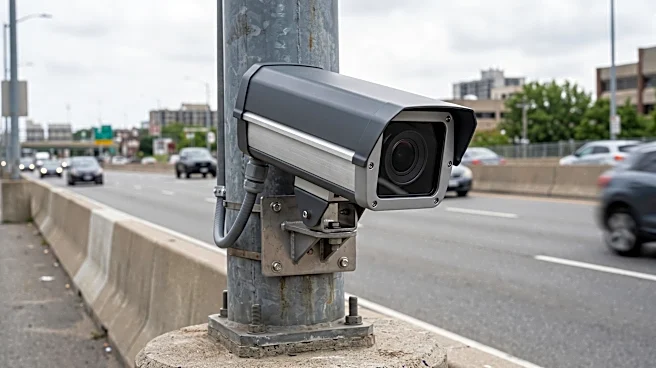
Richmond Mayor Danny Avula has announced that the city will not renew its contract with Flock Safety for automatic license plate reader (ALPR) technology. This decision comes after neighboring Henrico County also terminated its contract with Flock and
follows months of complaints from local activists regarding the technology's use. Mayor Avula acknowledged personal concerns about Flock, particularly regarding potential misuse of data, citing stories of immigrants being terrorized and the role of ICE. Richmond Police Chief Rick Edwards also expressed concerns about the potential for operator abuse, noting instances across the country where officers have used the technology to track individuals improperly. Despite these concerns, both the Mayor and the Police Chief maintain that ALPR technology offers significant public safety benefits, such as faster identification of crime perpetrators and a reduction in traffic stops. The current Flock contract for Richmond's ALPR system costs $285,000, while a separate gunshot detection system contract, costing $152,000, will not be discontinued.
Why It's Important?
This decision by the City of Richmond highlights a growing national debate surrounding the balance between public safety and privacy rights in the age of advanced surveillance technology. The non-renewal of the Flock Safety contract reflects increasing scrutiny from local governments and civil liberties advocates over the collection and potential misuse of personal data by law enforcement. The concerns raised by Mayor Avula, particularly regarding the impact on immigrant communities and the potential for data sharing with federal agencies like ICE, underscore the ethical and social implications of such technologies. The acknowledgment of operator abuse by Police Chief Edwards further emphasizes the need for robust oversight and accountability mechanisms when implementing surveillance tools. This move could set a precedent for other municipalities grappling with similar issues, influencing how cities approach contracts with technology providers and potentially leading to more stringent regulations on data privacy and usage in policing.
What's Next?
Mayor Avula has pledged to hold a series of "community conversations" in the coming months to determine the city's future approach to automatic license plate reader technology. While the contract with Flock Safety will not be renewed, the city has not ruled out contracting with other companies for similar services. The Mayor indicated that the goal is to find a "happy middle ground" that utilizes the public safety benefits of the technology while addressing community fears about surveillance. These community discussions are intended to gather a broader range of opinions, including those from communities disproportionately affected by crime, who may have different perspectives than activists. Additionally, the debate is expected to continue at the state level, with several legislators, including Richmond Senator Mike Jones, reportedly drafting bills for the upcoming General Assembly session to address the issue of ALPR technology. The city's decision will likely influence future policy discussions and potential legislative actions regarding surveillance technologies in Virginia.
Beyond the Headlines
The Richmond decision to not renew its contract with Flock Safety for ALPR technology delves into deeper societal implications beyond immediate public safety concerns. It underscores the evolving understanding of privacy in a technologically advanced world, where data collection by both public and private entities is pervasive. The Mayor's specific concern about the impact on immigrant communities and the potential for data to be used by federal agencies like ICE highlights the intersection of surveillance technology with civil rights and social justice. This situation also brings to light the ethical responsibilities of technology providers and the need for clear guidelines on data retention, sharing, and access. The ongoing dialogue in Richmond, and potentially at the state level, could contribute to a broader framework for regulating surveillance technologies, ensuring that their implementation aligns with democratic values and protects vulnerable populations from potential abuses. It also prompts a re-evaluation of what constitutes effective policing in a modern, diverse society.