






What's Happening?
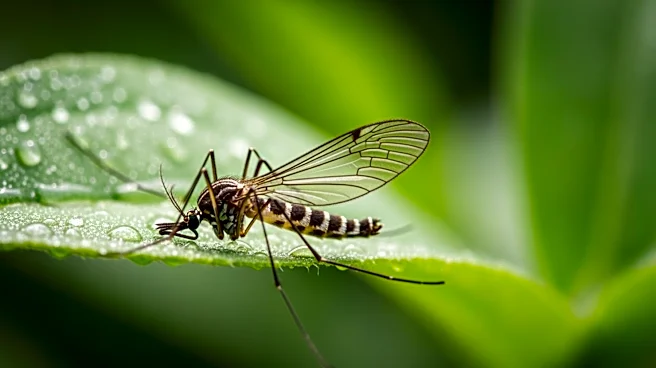
Mosquito populations are reportedly expanding across the United States, raising concerns about the spread of diseases such as dengue, malaria, and West Nile virus. Adrian Vasquez, an assistant professor at Mercer University, highlights the increasing
importance of avoiding mosquito bites as these insects are considered the most dangerous animals on Earth due to their disease transmission capabilities. The expansion of mosquito species into new areas and the introduction of invasive species are contributing to this trend. Additionally, climate change is extending mosquito seasons and enabling the spread of mosquito-borne diseases into new regions. Experts recommend several strategies to minimize mosquito contact, including eliminating standing water, using larvicides like Bti, applying insect repellents such as DEET, and wearing protective clothing.
Why It's Important?
The expansion of mosquito populations poses significant public health challenges in the U.S., as these insects are vectors for serious diseases. The potential increase in disease transmission could strain healthcare systems and lead to higher medical costs. Communities may need to invest in mosquito control measures and public education campaigns to mitigate these risks. The situation also underscores the broader impacts of climate change on public health, as rising temperatures contribute to longer mosquito seasons and the spread of diseases. Effective prevention strategies are crucial to protect vulnerable populations and reduce the incidence of mosquito-borne illnesses.
What's Next?
Communities and public health officials may need to enhance mosquito surveillance and control programs to address the growing threat. Research into new mosquito control technologies and repellents could provide additional tools for prevention. Public awareness campaigns may be necessary to educate individuals on personal protection measures and the importance of eliminating mosquito breeding sites. Policymakers might also consider integrating mosquito control efforts into broader climate adaptation strategies to address the root causes of the expanding mosquito populations.