










What's Happening?
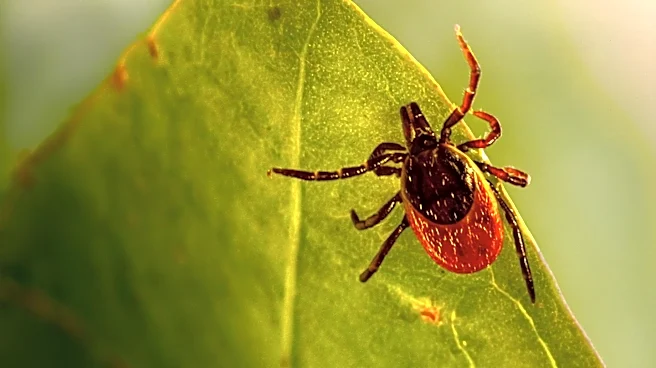
Alpha-gal syndrome, a food allergy triggered by tick bites, is affecting an estimated half a million people in the United States. This condition, which was virtually unknown until about 20 years ago, is caused by a sugar called alpha-gal found in the tissues
of most mammals but not in humans. The syndrome is primarily associated with the Lone Star Tick, although other ticks like the blacklegged tick can also transmit it. Symptoms include nausea, vomiting, hives, and in severe cases, life-threatening reactions. The syndrome is challenging to diagnose due to the delayed onset of symptoms, which can occur several hours after consuming meat. Testing for alpha-gal syndrome has become more accessible, with over-the-counter kits available, though results take one to two weeks.
Why It's Important?
The emergence of alpha-gal syndrome highlights the growing public health challenge posed by tick-borne diseases in the U.S. As the Lone Star Tick population expands, particularly in states like Michigan, the risk of this syndrome increases. The condition not only affects dietary habits but also has implications for pharmaceuticals and other products containing animal-derived ingredients. With no current treatment or cure, awareness and prevention are crucial. The syndrome's impact extends beyond individual health, potentially affecting healthcare systems and prompting changes in public health policies to address tick-borne illnesses more effectively.
What's Next?
As awareness of alpha-gal syndrome grows, public health officials may increase efforts to monitor and control tick populations, particularly in areas where the Lone Star Tick is prevalent. Education campaigns could be launched to inform the public about prevention strategies, such as avoiding tick habitats and using repellents. Researchers may also focus on developing treatments or vaccines to mitigate the syndrome's effects. Additionally, healthcare providers might need to adapt their diagnostic approaches to better identify and manage this condition.
Beyond the Headlines
The rise of alpha-gal syndrome underscores the broader environmental and ecological changes influencing tick populations and the spread of tick-borne diseases. Climate change and habitat alterations may be contributing to the expansion of tick habitats, necessitating a multidisciplinary approach to address these challenges. The syndrome also raises questions about the interconnectedness of human health and environmental factors, highlighting the need for integrated strategies that consider ecological, medical, and public health perspectives.