









What's Happening?
The Hazle Township Planning Department has recommended approving new zoning regulations for data centers and battery energy storage systems, despite 150 minutes of negative public comments from residents. During a special meeting on October 29, 2026,
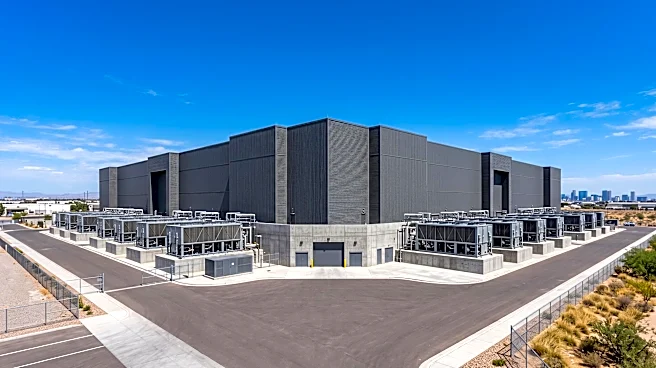
residents voiced concerns that the proposed rules were legally flawed, failed to protect homeowners, and were 'not ready for prime time.' The planners unanimously voted to send the curative amendment to the zoning ordinance to the township supervisors for final approval, adding several recommendations based on public input. These include limiting diesel generator run times, requiring separate reviews for modular nuclear reactors, adding safeguards against lithium-ion battery fire risks, and enabling the township to hire experts for study reviews. Residents specifically criticized the latest draft for allowing data centers as a 'use by right' in a designated area, which they believe is tailored for a specific 1,345-acre project called Project Hazelnut, and for reducing setback distances from residences.
Why It's Important?
This development highlights a growing conflict between economic development interests, particularly in the rapidly expanding data center industry, and community concerns over environmental impact, quality of life, and property values. The strong resident opposition underscores a broader trend of local communities pushing back against large-scale industrial projects that they perceive as detrimental to their health and well-being. The planners' decision to recommend approval despite overwhelming negative feedback suggests a potential disconnect between local government bodies and their constituents, or a prioritization of perceived economic benefits. The specific concerns raised, such as noise pollution, fire hazards from lithium-ion batteries, water usage, and potential devaluation of homes, are critical issues that could set precedents for how other municipalities regulate data centers. The legal challenges and appeals already underway for Project Hazelnut indicate that this issue will likely continue to be contentious, potentially leading to prolonged legal battles and increased scrutiny of zoning processes.
What's Next?
The proposed zoning regulations, in the form of a curative amendment, will now be forwarded to the Hazle Township supervisors, who hold the final authority to enact them. Residents are expected to continue their advocacy efforts, potentially lobbying supervisors directly or organizing further public demonstrations. The ongoing legal appeals by NorthPoint regarding Project Hazelnut, which are pending in Luzerne County Court and Commonwealth Court, will also significantly influence the future of data center development in the area. If the supervisors approve the regulations, it could lead to further legal challenges from residents who believe their concerns have not been adequately addressed. Conversely, if the supervisors reject or significantly modify the recommendations, it could signal a greater responsiveness to community input, but might also face opposition from developers. The outcome will likely shape future industrial development and community engagement in Hazle Township.
Beyond the Headlines
The Hazle Township data center debate touches upon several deeper implications beyond local zoning. The reliance on artificial intelligence software by a resident to identify shortcomings in the amendment highlights the increasing role of technology in public discourse and citizen advocacy. The concerns about lithium-ion battery fires in data centers, referencing a significant incident in South Korea, underscore the global safety challenges associated with new technologies and the need for robust emergency preparedness, especially for volunteer fire departments in rural areas. Furthermore, the debate over water usage for cooling data centers, particularly the proposal to use treated sewage, raises critical questions about resource allocation, environmental sustainability, and the potential impact on downstream communities. This local struggle reflects a broader societal challenge of balancing technological advancement and economic growth with environmental protection, public health, and community autonomy in the digital age.