




What's Happening?
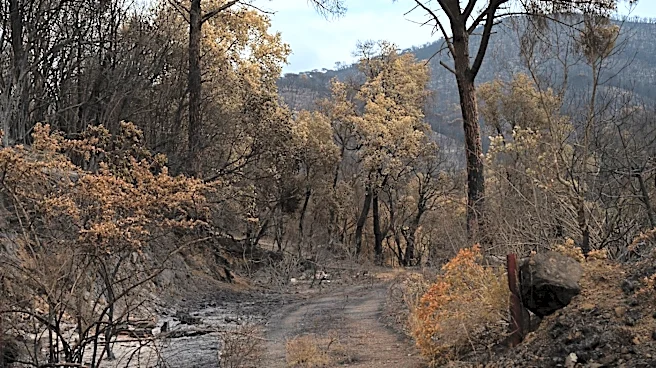
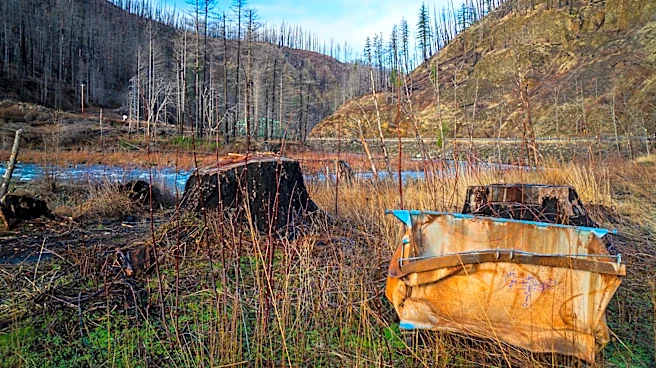
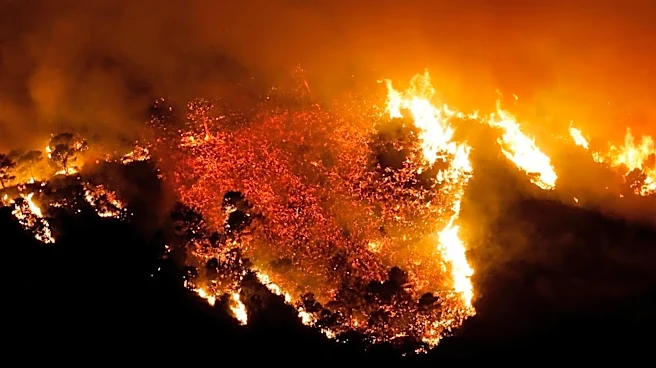
Jason Smith and Kremena Doust, ranchers on the Warm Springs Reservation in central Oregon, are seeking assistance after the Bench Fire destroyed approximately 80 percent of their grazing district. The wildfire, which spread rapidly, nearly reached their home
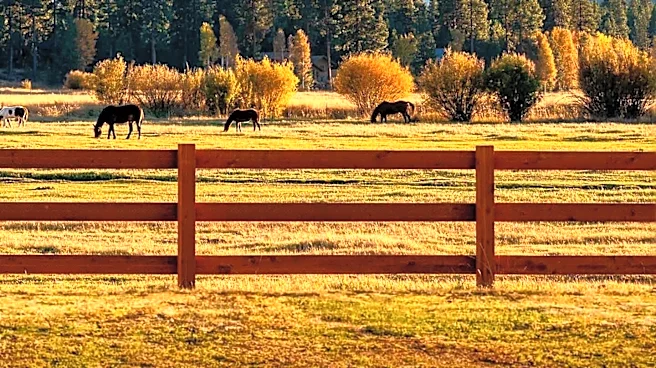
but was ultimately halted by a highway. However, the extensive damage to their land has left between 400 to 500 wild horses and their cattle without adequate food sources. The couple had to cancel a planned live auction and photo shoot for their horses due to the fire's rapid approach. They are now working to raise funds to purchase emergency feed for their animals and are also looking to facilitate the adoption of horses to suitable homes. Doust is also in the process of establishing a non-profit organization to support these efforts.
Why It's Important?
This incident highlights the severe and immediate impact of wildfires on agricultural communities and livestock in the U.S. West. The destruction of grazing lands not only poses an existential threat to the animals, requiring urgent and costly interventions like emergency feed, but also devastates the livelihoods of ranchers. The loss of natural forage disrupts the delicate balance of ranching operations, forcing difficult decisions regarding animal welfare and financial sustainability. Furthermore, the presence of a large number of wild horses, in addition to cattle, complicates resource management and underscores the broader ecological challenges faced by reservations and rural areas prone to wildfires. The need for community support and grants reflects the inadequacy of existing resources to cope with the scale of such natural disasters, emphasizing the vulnerability of these communities.
What's Next?
Jason Smith and Kremena Doust are actively seeking financial donations and feed contributions to sustain their cattle and wild horses. They are directing interested individuals to the Jason Smith Ranch via Facebook or its website, where mares, yearlings, and studs are displayed for potential adoption. Kremena Doust is also in the process of establishing a non-profit organization, which would provide a more structured and long-term mechanism for receiving support and managing resources for animal welfare in the aftermath of such disasters. The immediate future will involve continued efforts to secure feed and find homes for the horses, while also assessing the long-term recovery and restoration needs for their grazing lands.
Beyond the Headlines
The plight of the Warm Springs ranchers underscores the increasing frequency and intensity of wildfires in the Western U.S., a phenomenon often linked to climate change. This situation brings to light the broader challenges faced by indigenous communities and rural populations who are disproportionately affected by environmental disasters. The reliance on community support and the establishment of non-profits for disaster relief highlight gaps in governmental or institutional support for these specific agricultural and ecological contexts. Moreover, the presence of wild horses adds a layer of complexity, as their management often involves balancing ecological concerns, cultural significance, and the practicalities of land use. This event serves as a stark reminder of the interconnectedness of environmental health, economic stability, and community resilience in the face of escalating natural catastrophes.