




What's Happening?
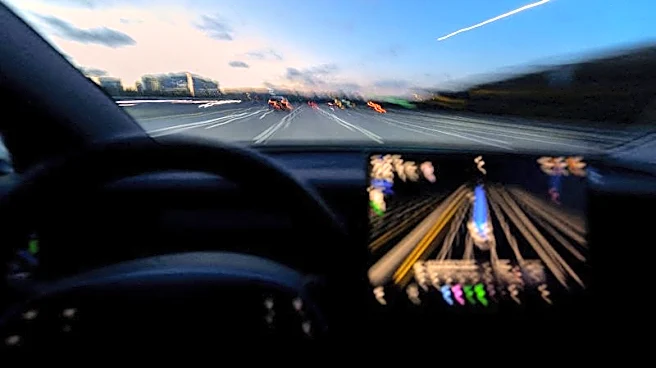
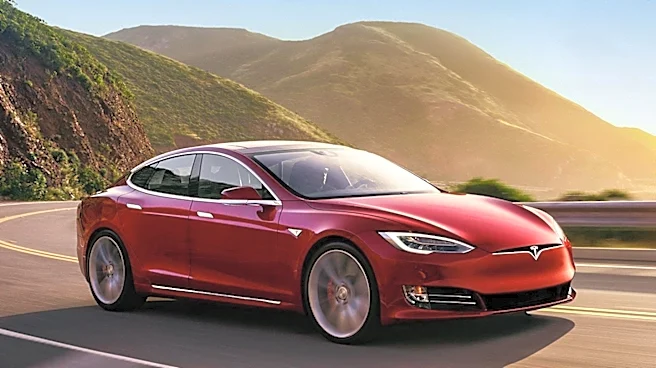
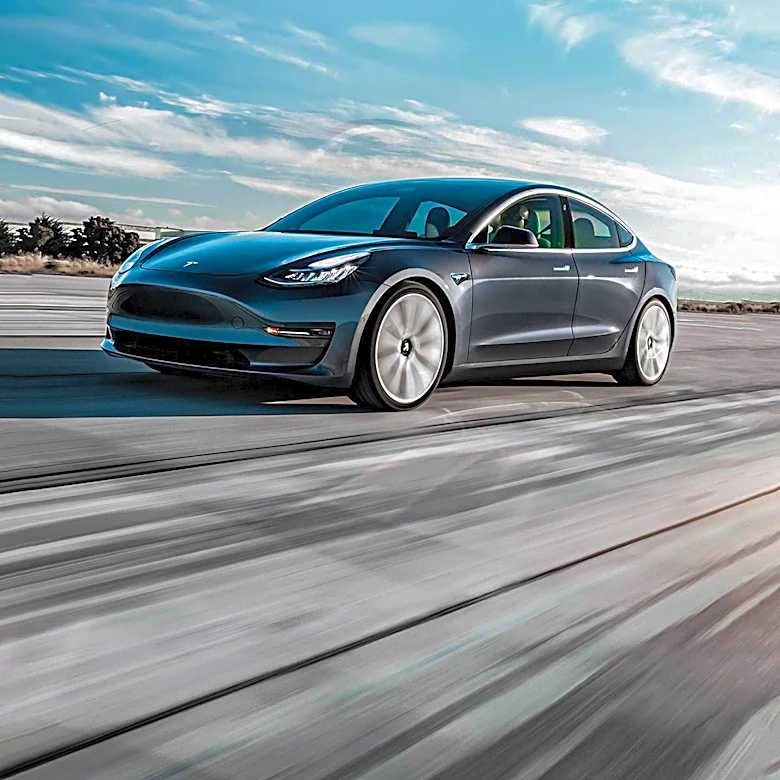
The National Transportation Safety Board (NTSB) has confirmed that the driver of a Tesla involved in a fatal crash in Katy, Texas, had pressed the accelerator pedal to 100%, overriding the vehicle's Full Self-Driving (Supervised) software. The incident
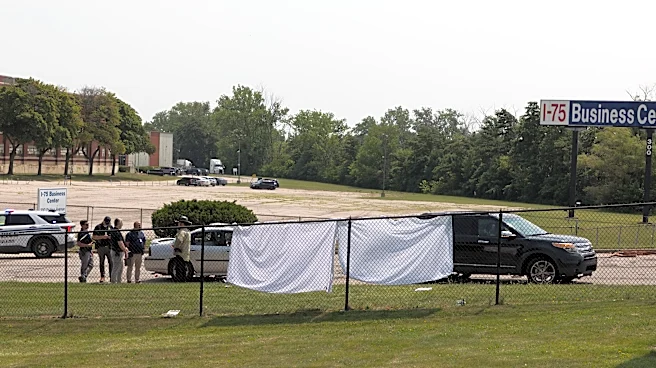
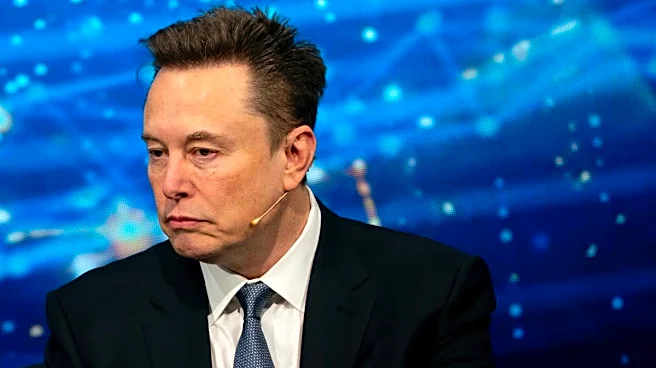
occurred in June when the Tesla, traveling over 70 miles per hour, crashed into a house, resulting in the death of 76-year-old Martha Avila. The driver, 44-year-old Michael Butler, has been charged with manslaughter and is being sued by the victim's family, along with Tesla, for negligence. The NTSB's preliminary report indicates that the crash happened on a residential road with a speed limit of 30 miles per hour. Security footage showed the car accelerating through an intersection before leaving the road and hitting the house. The weather was clear, and the road was dry at the time of the crash. Tesla's CEO, Elon Musk, had previously stated that the crash was not due to the company's driver assistance system, as it was a high-speed incident.
Why It's Important?
This incident highlights ongoing concerns about the safety and reliability of Tesla's Full Self-Driving (Supervised) software. The confirmation by the NTSB that the driver manually overrode the system by fully pressing the accelerator raises questions about driver responsibility and the effectiveness of Tesla's safety features. The case also underscores the legal and ethical challenges faced by manufacturers of autonomous and semi-autonomous vehicles. The outcome of the lawsuit and criminal charges could have significant implications for Tesla and the broader automotive industry, potentially influencing regulatory approaches and consumer trust in self-driving technologies.
What's Next?
The investigation by the NTSB and the National Highway Traffic Safety Administration (NHTSA) is ongoing, and their findings could lead to further regulatory scrutiny of Tesla's driver assistance systems. The legal proceedings against Michael Butler and Tesla will continue, with potential impacts on how liability is determined in cases involving autonomous vehicle technology. The automotive industry and regulatory bodies may need to reassess safety standards and driver education regarding the use of such technologies.