
What's Happening?
Russian forces launched a coordinated assault on Ukraine on January 9, 2026, involving dozens of missiles and hundreds of drones, resulting in significant power outages and civilian casualties. The attack
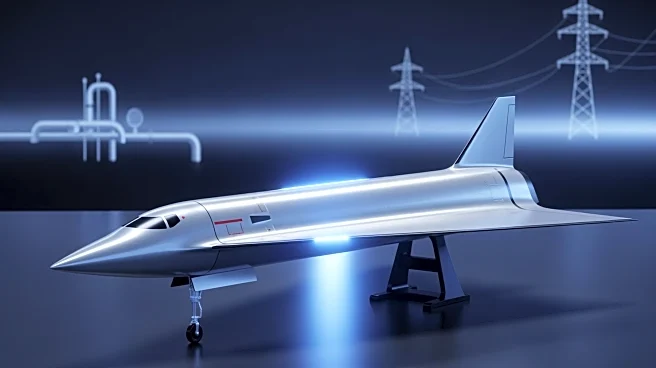
included the use of the Oreshnik hypersonic missile, which reportedly struck near the Polish border, damaging critical gas infrastructure. This has heightened fears of escalation and energy security concerns across Europe. Ukrainian authorities reported at least four fatalities in Kyiv and extensive power disruptions. The strike, framed by Moscow as retaliation, has drawn strong criticism from Western governments, with Ukrainian Foreign Minister Andriy Sybiha highlighting the threat to EU and NATO security.
Why It's Important?
The use of the Oreshnik hypersonic missile near NATO-aligned territory underscores the potential for increased military tensions and the risk of further escalation in the region. The attack has significant implications for European energy security, particularly concerning winter gas reserves and the vulnerability of cross-border energy infrastructure. The incident may lead to increased insurance and logistics costs, affecting European industrial production and energy prices. Additionally, the strike could pressure NATO allies to enhance missile defense systems and sustain military support for Ukraine, impacting fiscal policies and defense procurement strategies.
What's Next?
In response to the attack, Kyiv has requested a UN Security Council meeting, and European leaders are calling for a coordinated international response. The incident is likely to harden negotiating positions in ongoing diplomatic efforts to resolve the conflict, increasing the political cost of de-escalation for involved parties. The use of hypersonic weapons near NATO borders may prompt accelerated defense measures and influence long-term military and diplomatic strategies.