




What's Happening?
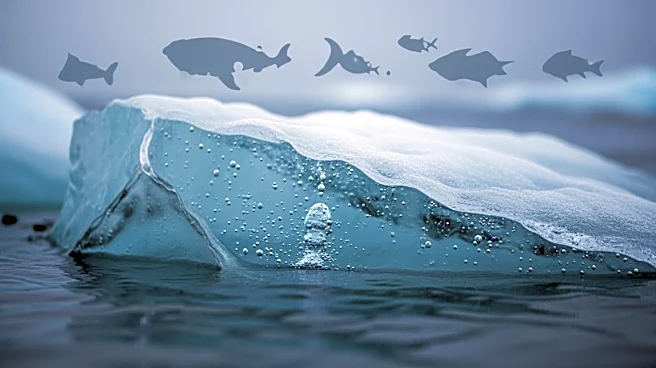
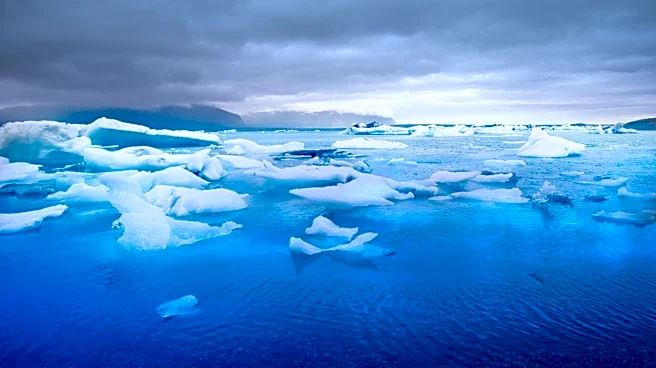
A recent study has revealed that the Arctic Ocean has reached a critical tipping point due to significant sea ice loss, which is severely impacting the region's food chain. The melting ice is causing a reduction in nitrate levels, a crucial nutrient for
the marine ecosystem. This decline is primarily due to increased sunlight reaching the ocean surface, which boosts the growth of phytoplankton. These microscopic organisms, upon dying, are decomposed by bacteria that consume nitrate and oxygen. The study, published in Communications Earth & Environment, indicates that this process, known as denitrification, is now irreversible under current climate conditions. The depletion of nitrate is expected to have cascading effects on the Arctic food web, affecting species at all levels and potentially impacting commercial fisheries and the ocean's ability to absorb carbon dioxide.
Why It's Important?
The findings of this study are significant as they highlight a major shift in the Arctic ecosystem that could have far-reaching consequences. The reduction in nitrate levels threatens the base of the marine food web, which could lead to a decline in fish populations and other marine life that depend on phytoplankton. This, in turn, could impact commercial fisheries that rely on these resources, affecting economic activities in regions dependent on Arctic nutrient exports. Additionally, the diminished capacity of the ocean to sequester carbon dioxide due to reduced phytoplankton growth could exacerbate climate change, as the biological pump that helps lock away carbon is compromised. Understanding these changes is crucial for predicting future climate scenarios and developing strategies to mitigate their impacts.
What's Next?
Further research is needed to fully understand the downstream effects of nitrate depletion in the Arctic ecosystem. Scientists will likely focus on how these changes will affect larger marine species and the overall biodiversity of the region. There is also a need to explore potential mitigation strategies to address the impacts on fisheries and the global climate. Policymakers and environmental organizations may need to consider these findings in their climate action plans, emphasizing the importance of reducing greenhouse gas emissions to slow down the rate of sea ice loss and its associated impacts.
Beyond the Headlines
The study underscores the complex interplay between climate change and marine ecosystems, highlighting the need for a comprehensive approach to environmental conservation. The irreversible nature of the changes observed in the Arctic suggests that traditional conservation methods may not be sufficient, and innovative solutions will be required. This situation also raises ethical questions about the responsibility of industrialized nations in contributing to climate change and the need for global cooperation to address its impacts. The cultural and economic implications for indigenous communities in the Arctic, who rely on marine resources for their livelihoods, also warrant attention.