
What's Happening?
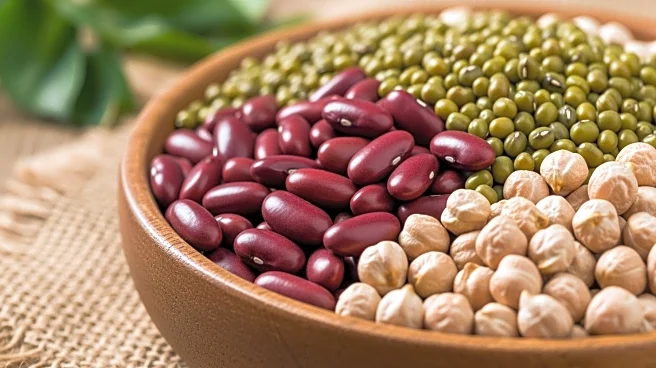
Indonesia's diverse agricultural and culinary traditions prominently feature legumes, which are integral to the nation's food systems and cultural heritage. Legumes like soybeans, peanuts, winged beans, and mung
beans are central to traditional dishes and sustainable farming practices. These crops contribute to soil fertility through nitrogen fixation and are used in intercropping and crop rotation systems. Despite challenges posed by urbanization and modern retail, which favor ultraprocessed foods, efforts are underway to promote legumes as nutritious and sustainable food options. Educational initiatives, such as workshops and cooking classes, aim to reconnect communities with traditional food systems.
Why It's Important?
Legumes play a crucial role in Indonesia's food security and ecological sustainability. They offer a source of protein and healthy fats, supporting nutritional needs while enhancing soil health. As urbanization and modern retail threaten traditional diets, promoting legumes can counteract the shift towards less sustainable food options. By emphasizing the ecological and cultural significance of legumes, these initiatives support local farmers and preserve indigenous agricultural practices. The focus on legumes also aligns with global efforts to promote sustainable food systems and reduce reliance on resource-intensive crops.
Beyond the Headlines
The promotion of legumes in Indonesia highlights broader themes of food sovereignty and cultural preservation. As global food systems face challenges from climate change and economic pressures, legumes offer a resilient and adaptable solution. The educational programs not only teach practical skills but also foster a deeper understanding of food systems and their impact on communities. By valuing traditional knowledge and practices, these efforts contribute to a more sustainable and equitable food future, encouraging other nations to explore similar approaches to food security and cultural heritage.