



What's Happening?
The Fraternal Order of Police (FOP) has publicly announced its support for S. 5109, the 'Training Rural Law Enforcement Officers Act.' This legislation aims to bridge a significant training disparity between large and small, rural law enforcement agencies.
The FOP highlights that rural departments often face budgetary and staffing constraints, limiting their access to essential training and resources. The proposed act would authorize the U.S. Department of Justice (DOJ) to provide grants to certified and accredited law enforcement-related nonprofit organizations. These grants would fund training for agencies with fewer than 50 sworn personnel, offered at no cost to the individual officers or their departments. The FOP emphasizes that this initiative is crucial for ensuring equal access to resources, enabling law enforcement to carry out their duties more effectively and safely, particularly in high-risk public safety scenarios. The organization believes that utilizing nonprofit organizations for this purpose is an efficient way to ensure communities receive compassionate and timely responses.
Why It's Important?
This legislation is important because it directly addresses a critical issue in U.S. public safety: the disparity in training and resources available to rural law enforcement agencies compared to their larger, urban counterparts. Rural communities often face unique challenges, including limited access to specialized training, modern equipment, and up-to-date protocols, which can impact their ability to respond to complex situations effectively. By providing no-cost training through DOJ grants, the act aims to enhance the capabilities of these smaller departments, leading to improved public safety outcomes across rural America. This initiative could also foster greater trust between law enforcement and the communities they serve by ensuring officers are well-prepared and equipped to handle diverse situations. Furthermore, it acknowledges the financial realities faced by many rural agencies, offering a practical solution to overcome budgetary hurdles that often prevent them from accessing necessary professional development.
What's Next?
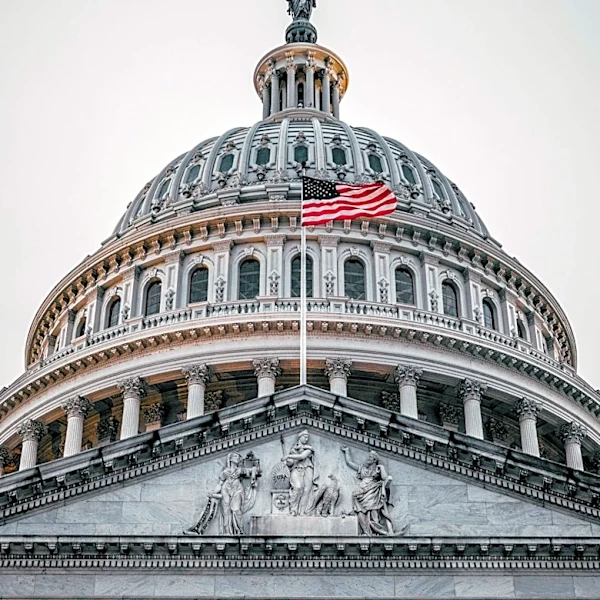
The next step for S. 5109, the 'Training Rural Law Enforcement Officers Act,' will involve its progression through the legislative process in the U.S. Senate. With the public backing of the Fraternal Order of Police, a significant law enforcement advocacy group, the bill gains considerable support. Senators Lankford and Coons, who introduced the bill, will likely continue to champion its passage. The legislation will need to undergo committee review, potential amendments, and votes in both the Senate and the House of Representatives before it can be sent to the President for signature. If enacted, the Department of Justice would then be responsible for establishing the grant program, developing criteria for eligible nonprofit organizations, and outlining the application process for rural law enforcement agencies. The success of the program would depend on effective implementation and the ability of nonprofit organizations to deliver high-quality, relevant training to these departments.
Beyond the Headlines
Beyond the immediate impact of improved training, this legislation could have broader implications for the professionalization of rural law enforcement and the overall quality of life in rural areas. By standardizing and enhancing training, it could help reduce incidents of misconduct, improve officer safety, and increase the effectiveness of crime prevention and response in underserved regions. This initiative also highlights a growing recognition of the unique needs of rural communities, which often receive less attention and fewer resources than urban centers. The focus on utilizing nonprofit organizations for training delivery could also foster innovative partnerships between government, law enforcement, and civil society, potentially creating a more collaborative approach to public safety. Ultimately, this act could contribute to a more equitable distribution of public safety resources and expertise across the nation, strengthening the social fabric of rural America.