


What's Happening?
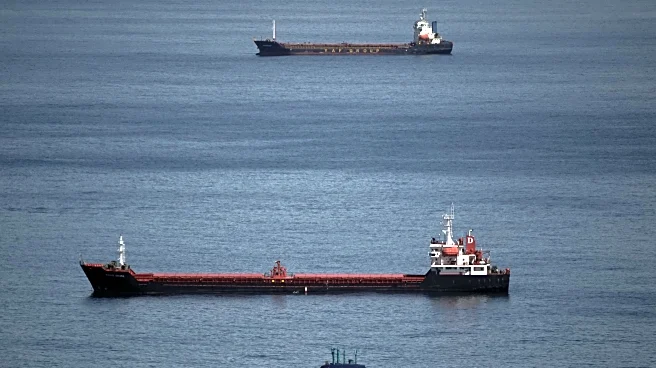
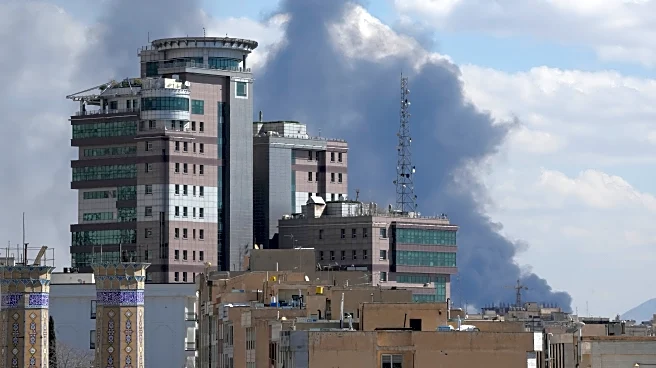
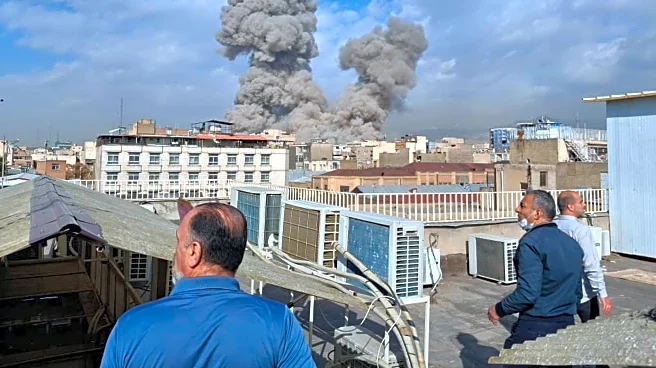
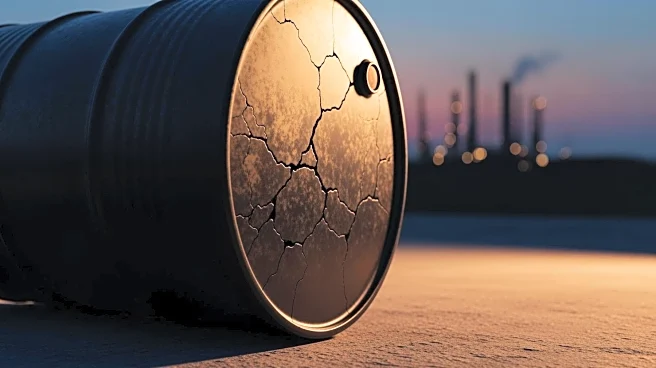
OPEC+ has decided to increase oil production by 206,000 barrels per day in response to disruptions caused by U.S.-Israel military actions against Iran. These strikes have led to significant interruptions in oil shipments through the Strait of Hormuz,
a critical passage for global oil transit. The decision was made after discussions among OPEC+ members, including Saudi Arabia and the United Arab Emirates, who are expected to lead the production increase. Despite the agreement, analysts note that the group's capacity to boost supply is limited, with only a few members having the ability to significantly increase output. The situation has already impacted oil prices, with Brent crude futures rising to their highest level since July.
Why It's Important?
The decision by OPEC+ to raise oil output is crucial in stabilizing the global oil market amid geopolitical tensions. The Strait of Hormuz is a vital chokepoint for oil shipments, and any disruption can have significant implications for global energy prices. The increase in production aims to mitigate potential shortages and price spikes that could arise from the halted shipments. However, the limited spare capacity among OPEC+ members means that the impact of this increase might be constrained. The situation underscores the vulnerability of global oil supply chains to geopolitical conflicts, particularly in the Middle East, and highlights the ongoing reliance on a few key producers to maintain market stability.
What's Next?
The geopolitical tensions in the Middle East are likely to continue influencing oil markets. If the conflict escalates, further disruptions in oil shipments could occur, potentially driving prices even higher. OPEC+ members will need to monitor the situation closely and may have to convene additional meetings to adjust production levels as necessary. The international community, particularly major oil-importing countries, will be watching developments closely, as prolonged disruptions could have broader economic implications. Additionally, the situation may prompt discussions on diversifying energy sources and reducing dependency on oil from geopolitically sensitive regions.